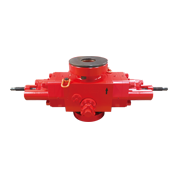
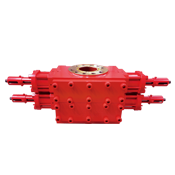
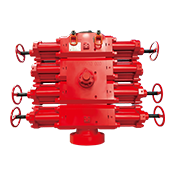
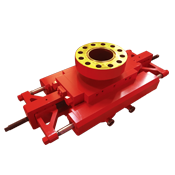
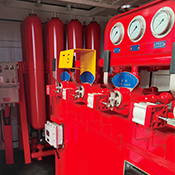


Ensuring Safety: The Advantages of Innovative Tools for Wellhead Closing Under Pressure
2024-09-06
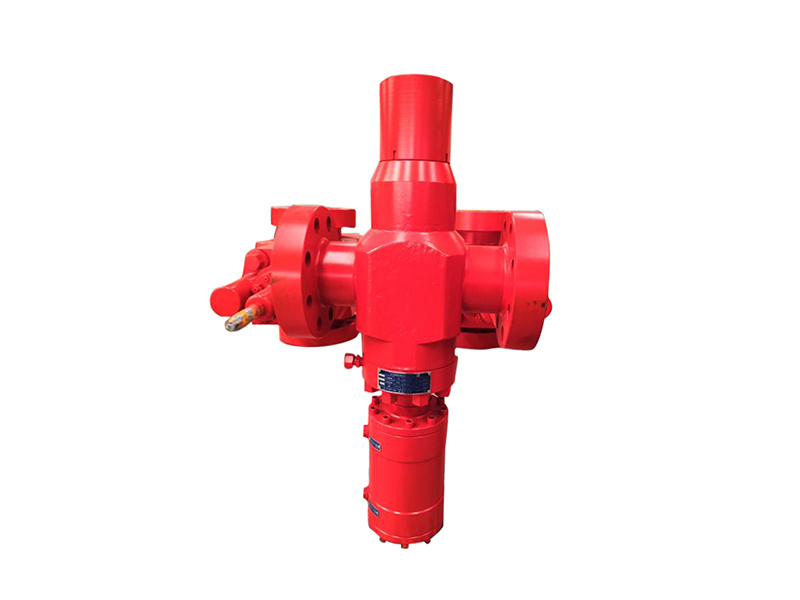
Ensuring Safety: The Advantages of Innovative Tools for Wellhead Closing Under Pressure
Table of Contents
- Introduction to Wellhead Closing Under Pressure
- The Importance of Safety in Wellhead Operations
- Challenges in Traditional Wellhead Closing Methods
- Key Benefits of the New Tool for Wellhead Closing
- The Technology Behind the New Tool
- Training and Implementation of New Technology
- Cost-Effectiveness of the New Tool
- The Future of Wellhead Closing Innovations
- Frequently Asked Questions
- Conclusion
Introduction to Wellhead Closing Under Pressure
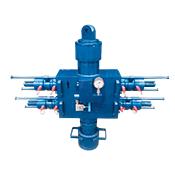
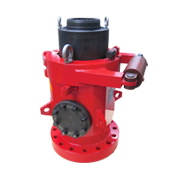
In the oil and gas industry, wellhead operations are critical to maintaining safety and efficiency. Closing a wellhead under pressure is a challenging yet essential task that requires precision and specialized tools. As the demand for safer and more effective solutions grows, innovative technologies are emerging to address these challenges, particularly in wellhead closing applications. The introduction of new tools designed specifically for this purpose not only enhances safety but also streamlines operations, making them more reliable and efficient.
The Importance of Safety in Wellhead Operations
Safety in wellhead operations cannot be overstated. The process of managing high-pressure fluids poses significant risks, including blowouts and uncontrolled releases. Implementing effective safety measures is essential to protect workers, the environment, and valuable resources. The new tool for wellhead closing under pressure is designed with these safety considerations in mind, providing enhanced features that reduce the likelihood of accidents and improve overall operational safety.
Key Safety Regulations and Standards
Compliance with safety regulations is paramount in the oil and gas sector. Various organizations, including the Occupational Safety and Health Administration (OSHA) and the American Petroleum Institute (API), set forth guidelines that companies must adhere to. The new wellhead closing tool aligns with these standards, ensuring that operators are equipped with the safest technology available.
Challenges in Traditional Wellhead Closing Methods
While traditional methods for closing wellheads have served the industry for decades, they are not without limitations. Some of the challenges faced by operators include:
1. Safety Risks
Manual operations often expose workers to hazardous conditions. Traditional tools may lack the necessary safety features to protect personnel from high-pressure situations.
2. Operational Inefficiencies
Existing tools can be cumbersome and require significant manpower, leading to longer operation times and increased costs.
3. Equipment Limitations
Many traditional tools are not designed to handle the complexities of modern wellhead operations, which may involve varying pressures and environmental conditions.
Key Benefits of the New Tool for Wellhead Closing
With the introduction of innovative tools for wellhead closing under pressure, several benefits emerge that directly address the challenges faced by traditional methods.
1. Enhanced Safety Features
The new tool incorporates advanced safety features, including automated shut-off mechanisms and pressure sensors that detect anomalies before they escalate into dangerous situations. This technology significantly minimizes the risk of blowouts and other accidents.
2. Increased Operational Efficiency
Designed for ease of use, the new tool allows operators to close wellheads more quickly and with less manpower. This efficiency translates into reduced operational costs and improved workflow.
3. Compatibility with Modern Technology
The new tool is designed to integrate seamlessly with existing systems, allowing operators to benefit from modern advancements without overhauling their entire operational infrastructure.
4. Reduced Downtime
By streamlining the wellhead closing process, the new tool reduces downtime and enhances productivity. This efficiency is vital in meeting production targets and avoiding costly delays.
The Technology Behind the New Tool
The innovative technology utilized in the new wellhead closing tool is at the forefront of the manufacturing and processing machinery industry.
1. Automation and Sensors
Equipped with automation technology, the tool can perform tasks with minimal human intervention. Sensors monitor pressure levels in real-time, providing operators with essential data that informs decision-making.
2. User-Friendly Interface
An intuitive interface ensures that operators can quickly learn how to use the tool, enhancing training efficiency and reducing the likelihood of operational errors.
3. Durability and Reliability
Constructed from high-quality materials, the new tool is built to withstand the harsh conditions often encountered in wellhead operations. Its durability translates to longer service life and reduced maintenance requirements.
Training and Implementation of New Technology
The successful deployment of the new wellhead closing tool hinges on effective training and implementation strategies.
1. Comprehensive Training Programs
We advocate for comprehensive training programs that equip operators with the necessary skills to utilize the new tool effectively. This training should cover not only operational procedures but also safety protocols.
2. On-Site Support
Providing on-site support during the initial implementation phase can help address any challenges that arise and ensure a smooth transition to the new technology.
3. Continuous Learning Opportunities
As technology evolves, ongoing training opportunities should be available to keep staff updated on the latest features and best practices.
Cost-Effectiveness of the New Tool
While the initial investment in new technology may seem significant, the long-term cost savings it offers far outweigh the upfront costs.
1. Lower Labor Costs
As the new tool streamlines operations, it reduces the need for extensive labor, leading to lower operational costs and improved profit margins.
2. Decreased Maintenance Expenses
The durability of the new tool significantly reduces maintenance expenses, allowing companies to allocate resources more efficiently.
3. Enhanced Productivity
With increased productivity comes the potential for higher revenue. The ability to close wellheads more efficiently ensures that production targets are met consistently.
The Future of Wellhead Closing Innovations
As the industry continues to evolve, the integration of advanced technologies into wellhead operations will become increasingly important.
1. Ongoing Research and Development
Investment in research and development will drive the creation of even more advanced tools that further enhance safety and efficiency in wellhead operations.
2. Collaborative Efforts
Collaboration between manufacturers, operators, and regulatory bodies will be essential in shaping the future of wellhead closing technology. These partnerships can lead to the development of standardized practices and improved safety measures.
Frequently Asked Questions
1. What is a wellhead closing tool?
A wellhead closing tool is a specialized device used to securely close wellheads, especially under high-pressure conditions, to prevent blowouts and ensure safety.
2. How does the new tool improve safety?
The new tool features advanced safety mechanisms, including pressure sensors and automated shut-off systems, which minimize the risk of accidents during operations.
3. Is training required to use the new tool?
Yes, comprehensive training is essential to ensure that operators can use the tool effectively and adhere to safety protocols.
4. What are the cost savings associated with the new tool?
Cost savings include lower labor costs, decreased maintenance expenses, and increased productivity, leading to improved profit margins.
5. How does the tool adapt to modern technology?
The new tool is designed for compatibility with existing systems and includes an intuitive user interface that facilitates easy integration into current operations.
Conclusion
The introduction of a new tool for wellhead closing under pressure represents a significant advancement in the manufacturing and processing machinery industry. With its focus on safety, operational efficiency, and cost-effectiveness, this innovative solution is poised to reshape industry standards. By embracing this technology, companies can enhance safety protocols, reduce operational costs, and ultimately improve productivity. The future of wellhead operations is bright, with ongoing innovations and collaborations set to further enhance safety and efficiency in this critical field.
Related News
Contact Us
Mailbox:
tiehu@tiehupetro.com
Telephone:
86-317-2616808
Address:
Yanling Industrial Zone, Renqiu City, Cangzhou City, Hebei Province, China

Hebei New Tiehu Petroleum Machinery Co., Ltd.
Sales Line: +86-317-7651717
Telephone:+86-317-2616808 -8009
Mailbox:tiehu@tiehupetro.com
Address: Yanling Industrial Zone, Renqiu City, Cangzhou City, Hebei Province, China


Focus on us

Follow us