

How to Conduct a Comprehensive Risk Assessment Involving UM Type Single Ram Blowout Preventers
2024-09-22
How to Conduct a Comprehensive Risk Assessment Involving UM Type Single Ram Blowout Preventers
Conducting a risk assessment for UM Type Single Ram Blowout Preventers (BOPs) is a critical process that ensures safety and efficiency in various agricultural machine operations. Due to the inherent risks associated with equipment failures, understanding and assessing potential hazards is essential for mitigating risks and maintaining operational integrity. In this article, we will outline the detailed steps involved in conducting a thorough risk assessment for UM Type Single Ram Blowout Preventers, providing insights into best practices and methodologies.
Table of Contents
- 1. Introduction to UM Type Single Ram Blowout Preventers
- 2. Importance of Conducting a Risk Assessment
- 3. Identifying Hazards Associated with BOPs
1. Introduction to UM Type Single Ram Blowout Preventers
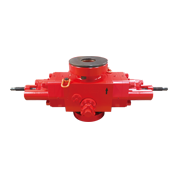
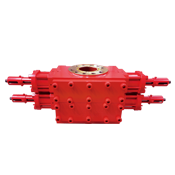
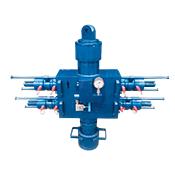
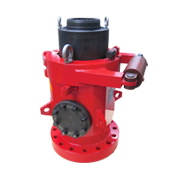
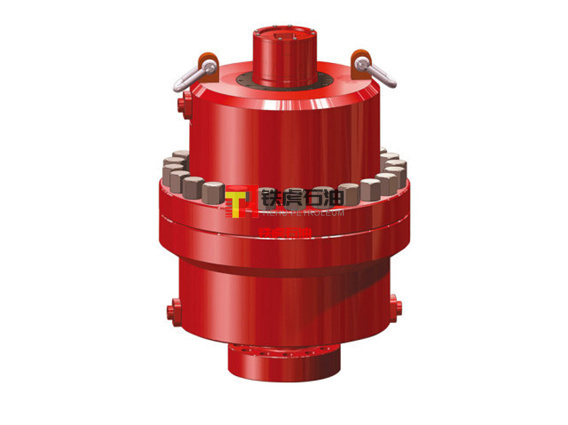
UM Type Single Ram Blowout Preventers are specialized devices critical in preventing blowouts during drilling operations. These devices act as barriers to control the release of fluids from a well, making them indispensable in maintaining safety during field operations. Understanding their functionality and the potential risks they present is vital for operators and safety personnel.
2. Importance of Conducting a Risk Assessment
Conducting a risk assessment is paramount in the safe operation of UM Type Single Ram Blowout Preventers. A comprehensive risk assessment enables organizations to:
- **Identify Potential Hazards**: Understanding what could go wrong during operations is crucial for developing preventive measures.
- **Mitigate Risks**: Following the assessment, organizations can apply controls to mitigate identified risks effectively.
- **Enhance Safety Protocols**: Regular assessments help refine safety protocols, ensuring they remain relevant and effective.
- **Comply with Regulations**: Many industries require formal risk assessments to comply with safety regulations and standards.
3. Identifying Hazards Associated with BOPs
Identifying hazards is the first step in the risk assessment process. Here are some common hazards associated with UM Type Single Ram Blowout Preventers:
3.1 Mechanical Failures
Mechanical failures can occur due to wear and tear, manufacturing defects, or improper maintenance. Regular inspections and maintenance schedules are essential to mitigate such risks.
3.2 Human Errors
Mistakes made by operators can lead to significant incidents. Comprehensive training programs and strict adherence to operational protocols can reduce human error.
3.3 Environmental Factors
Weather conditions and environmental factors can impact the operation of BOPs. Understanding these risks allows for better planning and operational adjustments.
3.4 Operational Procedures
Inefficient or unsafe operational procedures can contribute to hazards. Regular reviews and updates of operational protocols are vital for maintaining safety.
4. Risk Analysis Methodologies
Multiple methodologies can be used to analyze risks associated with UM Type Single Ram Blowout Preventers. Here are some effective approaches:
4.1 Qualitative Risk Analysis
Qualitative risk analysis involves identifying risks and evaluating their potential impact without numerical values. This approach helps in understanding the relative severity of risks.
4.2 Quantitative Risk Analysis
Quantitative analysis assigns numerical values to risks, allowing for a more detailed comparison. This method is useful in high-stakes environments where precise risk measurement is required.
4.3 Bow-Tie Analysis
This visual representation of risk provides a clear overview of potential hazards, their causes, and consequences. Bow-tie analysis is effective for communicating risk assessments to stakeholders.
4.4 Failure Mode and Effects Analysis (FMEA)
FMEA identifies potential failure modes of equipment and assesses their impact. This thorough analysis helps prioritize risks based on their severity and likelihood.
5. Developing a Risk Assessment Plan
A well-structured risk assessment plan is crucial for effective risk management. Key components of a risk assessment plan include:
5.1 Scope and Objectives
Define what the risk assessment will cover and its objectives. This includes identifying the specific operational areas where BOPs are utilized.
5.2 Team Selection
Assemble a team of qualified personnel to conduct the assessment. This team should include technical experts, safety officers, and operational staff.
5.3 Data Collection
Gather relevant data on past incidents, equipment specifications, and operational procedures. This information will inform the assessment process.
5.4 Risk Categorization
Classify risks based on their severity and likelihood. This categorization helps prioritize which risks require immediate attention.
6. Implementing Risk Control Measures
Once risks have been identified and assessed, the next step is implementing control measures. Effective controls can include:
6.1 Engineering Controls
These involve modifying equipment or processes to reduce hazards. For instance, installing alarms or redundancies in BOP systems can enhance safety.
6.2 Administrative Controls
Implementing policies and procedures that govern safe operations can minimize risks. This includes regular training and refresher courses for personnel.
6.3 Personal Protective Equipment (PPE)
Ensuring that personnel are equipped with appropriate PPE is vital for minimizing risk exposure during operations.
7. Monitoring and Reviewing Risk Assessments
Risk assessments should not be static; they require continuous monitoring and reviewing to remain effective. Regular reviews help in:
- Identifying new risks due to changes in operations or equipment.
- Assessing the effectiveness of implemented controls.
- Updating the risk assessment plan based on operational feedback.
8. Case Studies of Effective Risk Assessments
Analyzing successful case studies can provide valuable insights into best practices. For example, in an agricultural operation utilizing UM Type Single Ram BOPs, implementing a robust training program significantly reduced human error incidents. By sharing these experiences, organizations can learn from each other and improve their risk assessment processes.
9. Conclusion
Conducting a comprehensive risk assessment involving UM Type Single Ram Blowout Preventers is essential for ensuring safety and efficiency in agricultural machinery operations. By identifying hazards, applying effective risk analysis methodologies, and implementing robust control measures, organizations can significantly mitigate risks. Continuous monitoring and periodic reviews of the risk assessment process further enhance the effectiveness of safety protocols, ultimately leading to safer and more reliable operations.
10. Frequently Asked Questions
What is a blowout preventer?
A blowout preventer is a specialized piece of equipment designed to seal, control, and monitor oil and gas wells to prevent uncontrolled releases of fluids.
Why is risk assessment important in blowout prevention?
Risk assessment is crucial as it helps identify potential hazards, mitigates risks, enhances safety protocols, and ensures compliance with regulatory requirements.
What common hazards are associated with UM Type BOPs?
Common hazards include mechanical failures, human errors, environmental factors, and inefficient operational procedures.
What methodologies can be used for risk analysis?
Common methodologies include qualitative risk analysis, quantitative risk analysis, Bow-Tie analysis, and Failure Mode and Effects Analysis (FMEA).
How often should risk assessments be reviewed?
Risk assessments should be regularly reviewed and updated to reflect any changes in operations, new equipment, or feedback from personnel. Ideally, this should be done at least annually or after any significant incident.
By systematically conducting a thorough risk assessment process for UM Type Single Ram Blowout Preventers, organizations can bolster their safety measures, improve operational efficiency, and ensure compliance with industry standards.
Related News
Contact Us
Mailbox:
tiehu@tiehupetro.com
Telephone:
86-317-2616808
Address:
Yanling Industrial Zone, Renqiu City, Cangzhou City, Hebei Province, China

Hebei New Tiehu Petroleum Machinery Co., Ltd.
Sales Line: +86-317-7651717
Telephone:+86-317-2616808 -8009
Mailbox:tiehu@tiehupetro.com
Address: Yanling Industrial Zone, Renqiu City, Cangzhou City, Hebei Province, China


Focus on us

Follow us