

Unlocking Safety: The Critical Importance of Quality BOP Control Units in Emergency Response
2025-05-15
Unlocking Safety: The Critical Importance of Quality BOP Control Units in Emergency Response
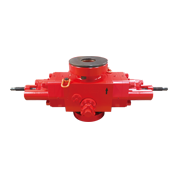
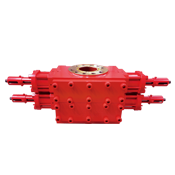
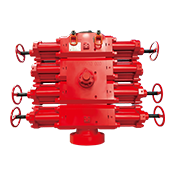
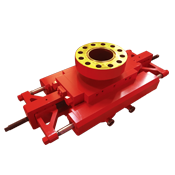
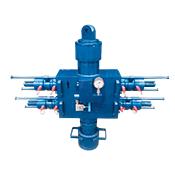
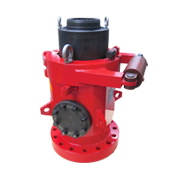
In the high-stakes world of emergency response, especially in industries like oil and gas, mining, and construction, ensuring safety is paramount. Among the many safety measures that organizations employ, the **Blowout Preventer (BOP)** control units stand out as critical components. These devices are designed to prevent uncontrolled releases of crude oil or natural gas from a well, making them essential for protecting both human lives and the environment. This article will explore the roles, functionalities, and best practices related to quality BOP control units in emergency situations.
Table of Contents
1. Introduction to BOP Control Units
2. The Importance of Quality in BOP Control Units
3. How BOP Control Units Work
4. Key Components of BOP Control Units
4.1 Hydraulic Systems
4.2 Control Panels
4.3 Sensors and Alarms
5. Operational Best Practices for BOP Control Units
5.1 Regular Maintenance and Inspections
5.2 Training and Proficiency for Operators
6. Case Studies: The Impact of BOP Control Units in Emergency Situations
6.1 Success Stories
6.2 Lessons Learned from Failures
7. Regulatory Standards and Compliance for BOP Systems
8. Conclusion
9. FAQs
1. Introduction to BOP Control Units
BOP control units are sophisticated devices utilized primarily in the oil and gas industry to manage and control well pressures. They are deployed during drilling operations and are crucial during emergency scenarios to prevent blowouts, which can result in catastrophic environmental and safety incidents. Understanding the fundamental principles of BOP systems is essential for any organization involved in high-risk operations.
2. The Importance of Quality in BOP Control Units
Quality is non-negotiable when it comes to BOP control units. In emergency situations where seconds can mean the difference between disaster and safety, having reliable and well-manufactured equipment is vital. The quality of BOP units directly affects their performance and reliability; thus, investing in high-quality control units can save lives and reduce operational losses.
3. How BOP Control Units Work
BOP systems operate by closing off the wellbore to contain pressure. This is accomplished through a series of valves and mechanical devices that can be activated manually or automatically. Understanding the mechanics behind these systems can help operators respond efficiently during emergencies, ensuring that the control units function as intended.
4. Key Components of BOP Control Units
BOP control units consist of several key components that work together to ensure operational effectiveness. Each part plays a vital role in the unit’s overall functionality.
4.1 Hydraulic Systems
Hydraulic systems are the backbone of BOP control units, providing the necessary force to operate valves. These systems must be regularly maintained to ensure they function correctly under pressure.
4.2 Control Panels
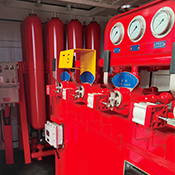
Control panels serve as the operator’s interface, allowing for the monitoring and management of BOP systems. Well-designed control panels are intuitive and provide real-time data, enabling quick decision-making during emergencies.
4.3 Sensors and Alarms
Sensors and alarms are crucial for detecting anomalies and alerting operators to potential issues. A robust system of sensors contributes to a proactive approach to safety, allowing operators to act before issues escalate.
5. Operational Best Practices for BOP Control Units
To maximize the effectiveness of BOP control units in emergency responses, organizations must adhere to specific operational best practices.
5.1 Regular Maintenance and Inspections
Routine maintenance and inspections are vital for ensuring the reliability of BOP systems. Establishing a regular schedule for these activities can help identify potential issues before they become critical.
5.2 Training and Proficiency for Operators
Proper training for operators is essential for effective BOP management. Ensuring that personnel are well-versed in the operations and emergency protocols is crucial for minimizing risks.
6. Case Studies: The Impact of BOP Control Units in Emergency Situations
Examining case studies can provide valuable insights into the effectiveness of BOP control units during emergencies.
6.1 Success Stories
Several organizations have successfully utilized BOP systems to avert disasters. For example, during a drilling operation in the North Sea, a rapid response by trained personnel utilizing a quality BOP control unit prevented a potential blowout, saving millions in damages.
6.2 Lessons Learned from Failures
Conversely, there are also instances where inadequate BOP systems have led to catastrophic failures. The Deepwater Horizon incident is a stark reminder of the consequences of insufficient safety measures and poor-quality equipment.
7. Regulatory Standards and Compliance for BOP Systems
Compliance with industry regulations is crucial for the operation of BOP systems. Organizations must stay abreast of evolving standards to ensure safety and legal adherence. Regulatory frameworks often dictate the design, testing, and maintenance protocols for BOP systems.
8. Conclusion
Quality BOP control units play an indispensable role in emergency response, particularly in high-risk industries. Their design, efficiency, and reliability can significantly impact the outcome of emergency situations. Organizations must prioritize quality and adherence to best practices to ensure the safety of their operations. By investing in top-notch BOP control units and fostering a culture of safety, industries can protect their workforce, assets, and the environment from catastrophic incidents.
9. FAQs
Q1: What is a Blowout Preventer (BOP) Control Unit?
A1: A BOP control unit is a safety device used in drilling operations to prevent uncontrolled blowouts by managing well pressure.
Q2: Why is quality important for BOP control units?
A2: High-quality BOP control units ensure reliability and effectiveness during emergencies, which can save lives and prevent environmental disasters.
Q3: How often should BOP control units be maintained?
A3: Regular maintenance should be conducted based on manufacturer recommendations and operational practices, often quarterly or biannually.
Q4: What components are essential for BOP control units?
A4: Key components include hydraulic systems, control panels, sensors, and alarms, all of which contribute to the overall functionality of the system.
Q5: What are the consequences of failing to comply with BOP regulations?
A5: Non-compliance can result in legal penalties, increased safety risks, and potential environmental catastrophes.
Related News
Contact Us
Mailbox:
tiehu@tiehupetro.com
Telephone:
86-317-2616808
Address:
Yanling Industrial Zone, Renqiu City, Cangzhou City, Hebei Province, China

Hebei New Tiehu Petroleum Machinery Co., Ltd.
Sales Line: +86-317-7651717
Telephone:+86-317-2616808 -8009
Mailbox:tiehu@tiehupetro.com
Address: Yanling Industrial Zone, Renqiu City, Cangzhou City, Hebei Province, China


Focus on us

Follow us