
Exploring Market Leaders in Ground BOP Control Devices: A Comprehensive Overview
2024-09-04

Exploring Market Leaders in Ground BOP Control Devices
Table of Contents
- 1. Introduction to Ground BOP Control Devices
- 2. Understanding Blowout Preventers
- 3. The Significance of BOP Control Devices in the Oil and Gas Industry
- 4. Market Leaders in Ground BOP Control Devices
- 5. Innovations Driving the BOP Control Device Market
- 6. Challenges in the BOP Control System Market
- 7. Future Trends in Ground BOP Control Devices
- 8. Conclusion
- 9. FAQs
1. Introduction to Ground BOP Control Devices
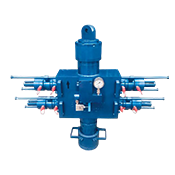
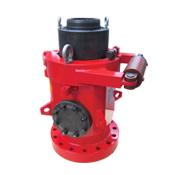
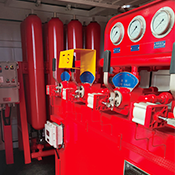
Ground Blowout Preventer (BOP) control devices are critical components designed to manage and mitigate the risks associated with drilling operations in the oil and gas sector. These devices play a vital role in preventing blowouts, which can lead to catastrophic failures, environmental disasters, and significant financial losses. In this article, we will explore the leading manufacturers in the BOP control device market, their technological advancements, and the implications of their innovations on the industry.
2. Understanding Blowout Preventers
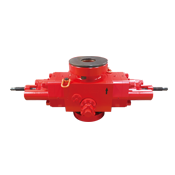
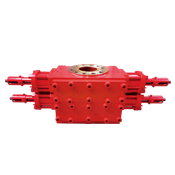
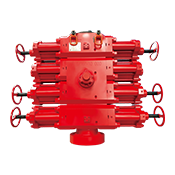
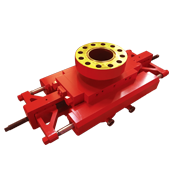
Blowout Preventers are mechanical devices installed on the wellhead that provide a safety barrier during drilling operations. They are designed to seal the wellbore, preventing the uncontrolled release of hydrocarbons and other fluids. The operation of BOPs is controlled through hydraulic mechanisms, which require reliable and efficient control devices to function optimally.
The Essentials of BOP Control Systems
Control systems for BOPs incorporate various technologies, including hydraulic systems, electrical controls, and advanced monitoring systems. These systems ensure that the BOPs can be activated quickly and effectively in the event of an emergency. The performance of these control devices is crucial for the safety and efficiency of drilling operations.
3. The Significance of BOP Control Devices in the Oil and Gas Industry
The oil and gas industry faces numerous challenges, including fluctuating prices, regulatory pressures, and increasing safety standards. Ground BOP control devices play a crucial role in addressing these challenges by enhancing operational safety and minimizing environmental risks.
Safety and Environmental Protection
The primary function of BOP control devices is to ensure the safety of personnel and equipment during drilling operations. By effectively managing pressure and preventing blowouts, these devices protect the environment from potential contamination and disasters.
Economic Impact
Investing in advanced BOP control devices can lead to substantial cost savings for drilling companies. By reducing the likelihood of blowouts and their associated costs, these devices can enhance profitability and operational efficiency.
4. Market Leaders in Ground BOP Control Devices
The market for Ground BOP control devices is characterized by the presence of several key players. Each of these companies brings unique strengths and innovations to the table.
Key Players
- **Schlumberger**: A global leader in oilfield services, Schlumberger offers a comprehensive range of BOP control systems designed for reliability and efficiency. Their focus on innovation has positioned them as a market leader.
- **Baker Hughes**: Known for their advanced technology solutions, Baker Hughes provides state-of-the-art BOP control devices that enhance safety and performance in drilling operations.
- **Halliburton**: With a strong emphasis on research and development, Halliburton is at the forefront of BOP control technology, continually improving their systems to meet industry demands.
- **National Oilwell Varco (NOV)**: NOV specializes in manufacturing drilling equipment and components, including cutting-edge BOP control systems that prioritize safety and reliability.
- **Weatherford**: Weatherford is recognized for its innovative BOP control solutions that integrate advanced technology with user-friendly interfaces.
5. Innovations Driving the BOP Control Device Market
The BOP control device market is witnessing a wave of innovations aimed at enhancing safety, efficiency, and reliability.
Automation and Remote Monitoring
Automation has become a significant trend in the industry, with many companies developing remote monitoring systems that allow operators to monitor BOP performance in real time. This technology not only improves response times during emergencies but also enhances overall operational efficiency.
Advanced Materials and Design
The use of advanced materials in the manufacturing of BOP control devices is another area of innovation. Companies are exploring lightweight, high-strength materials that can withstand extreme pressures and temperatures, thereby increasing the longevity and reliability of BOP systems.
Data Analytics and Predictive Maintenance
The incorporation of data analytics into BOP control systems is revolutionizing how operators manage maintenance and performance. Predictive maintenance techniques can identify potential issues before they escalate, allowing for timely interventions that enhance safety and reduce downtime.
6. Challenges in the BOP Control System Market
Despite the advancements in BOP control technologies, several challenges persist in the market.
Regulatory Compliance
Compliance with stringent regulatory standards is a constant challenge for manufacturers. Companies must ensure that their BOP control devices meet all safety and environmental regulations, which can be a complex and costly process.
Technological Integration
Integrating new technologies into existing systems can pose significant challenges. Companies must navigate compatibility issues and training requirements to ensure that their personnel can effectively use the latest advancements.
7. Future Trends in Ground BOP Control Devices
The future of BOP control devices is likely to be shaped by several emerging trends.
Sustainability Initiatives
As the industry moves towards more sustainable practices, BOP control devices will need to evolve to support these initiatives. Companies may explore biodegradable materials and energy-efficient systems that reduce their environmental footprint.
Increased Focus on Cybersecurity
With the rise of digital technologies and remote monitoring systems, cybersecurity will become increasingly important in the BOP control device market. Companies must prioritize the protection of their systems from cyber threats to ensure safety and data integrity.
8. Conclusion
Ground BOP control devices are critical components in the oil and gas industry, ensuring safety and efficiency during drilling operations. As we have explored, the market is led by several key players who are driving innovation and addressing the challenges faced by the industry. With ongoing advancements in technology, a focus on sustainability, and the integration of data analytics, the future of BOP control devices is promising. Companies must continue to adapt and innovate to stay competitive in this ever-evolving landscape.
9. FAQs
What is a Ground BOP Control Device?
A Ground BOP Control Device is a safety mechanism used in oil and gas drilling operations to prevent blowouts by sealing the wellbore.
Who are the leading manufacturers of BOP control devices?
Key players include Schlumberger, Baker Hughes, Halliburton, National Oilwell Varco (NOV), and Weatherford.
What are the latest innovations in BOP control technology?
Innovations include automation and remote monitoring, advanced materials, and data analytics for predictive maintenance.
What challenges does the BOP control system market face?
Challenges include regulatory compliance, technological integration, and ensuring cybersecurity.
What trends are shaping the future of BOP control devices?
Future trends include sustainability initiatives and increased focus on cybersecurity to protect against digital threats.
Related News
Contact Us
Mailbox:
tiehu@tiehupetro.com
Telephone:
86-317-2616808
Address:
Yanling Industrial Zone, Renqiu City, Cangzhou City, Hebei Province, China

Hebei New Tiehu Petroleum Machinery Co., Ltd.
Sales Line: +86-317-7651717
Telephone:+86-317-2616808 -8009
Mailbox:tiehu@tiehupetro.com
Address: Yanling Industrial Zone, Renqiu City, Cangzhou City, Hebei Province, China


Focus on us

Follow us