

Preventing Blowouts: A Comprehensive Guide to Electronically Controlled BOPs
2024-07-16

**Introduction: Understanding the Importance of Electronically Controlled BOPs**
In the oil and gas industry, blowouts can have catastrophic consequences, leading to environmental damage, loss of life, and financial ruin. To prevent these disasters, many companies are turning to electronically controlled Blowout Preventers (BOPs) as a critical safety measure. In this comprehensive guide, we will explore everything you need to know about electronically controlled BOPs, including how they work, their benefits, and best practices for their use.
**What are Electronically Controlled BOPs?**
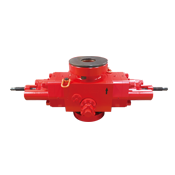
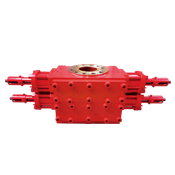
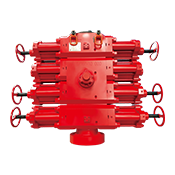
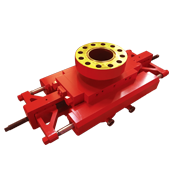
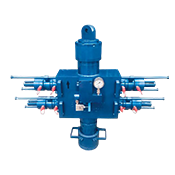
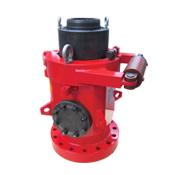
Electronically controlled BOPs are advanced safety devices used in drilling operations to prevent the uncontrolled release of oil or gas from a well. Unlike traditional BOPs, which rely on manual intervention, electronically controlled BOPs are equipped with sensors and control systems that allow for automated responses to potential well control issues.
**How Do Electronically Controlled BOPs Work?**
Electronically controlled BOPs are designed to monitor key parameters such as pressure, temperature, and flow rate in real-time. When a potential issue is detected, the BOP can act quickly to shut off the flow of oil or gas, preventing a blowout. This automated response helps to minimize the risk of human error and ensures a rapid and effective well control response.
**Benefits of Electronically Controlled BOPs**
One of the primary benefits of electronically controlled BOPs is their ability to respond quickly and effectively to well control issues. This can help to prevent blowouts and minimize the impact of any incidents that do occur. Additionally, electronically controlled BOPs can provide operators with real-time data on well conditions, allowing for better decision-making and improved safety.
**Best Practices for Using Electronically Controlled BOPs**
To ensure the effective operation of electronically controlled BOPs, it is essential to follow best practices for their use. This includes regular maintenance and testing to verify that the BOP is functioning correctly. Operators should also be properly trained on how to respond to BOP alarms and alerts, ensuring a rapid and effective well control response in the event of an emergency.
**Regulations and Compliance**
In the oil and gas industry, safety regulations are stringent, and compliance is non-negotiable. Electronically controlled BOPs are subject to a range of industry standards and regulations, including those set forth by organizations such as the American Petroleum Institute (API) and the International Organization for Standardization (ISO). It is essential for operators to stay up-to-date on these regulations and ensure that their BOPs are in compliance at all times.
**FAQs**
1. What is the difference between manually controlled and electronically controlled BOPs?
2. How often should electronically controlled BOPs be tested?
3. What are the common causes of blowouts in drilling operations?
4. Are electronically controlled BOPs required by law?
5. How can operators ensure that their BOPs are in compliance with industry regulations?
**Conclusion**
In conclusion, electronically controlled BOPs play a critical role in preventing blowouts and ensuring the safety of drilling operations in the oil and gas industry. By understanding how these advanced safety devices work, following best practices for their use, and staying in compliance with industry regulations, operators can minimize the risk of catastrophic incidents and protect their workers, the environment, and their bottom line. Stay safe, stay compliant, and invest in the latest technology to prevent blowouts in your operations.
Related News
Contact Us
Mailbox:
tiehu@tiehupetro.com
Telephone:
86-317-2616808
Address:
Yanling Industrial Zone, Renqiu City, Cangzhou City, Hebei Province, China

Hebei New Tiehu Petroleum Machinery Co., Ltd.
Sales Line: +86-317-7651717
Telephone:+86-317-2616808 -8009
Mailbox:tiehu@tiehupetro.com
Address: Yanling Industrial Zone, Renqiu City, Cangzhou City, Hebei Province, China


Focus on us

Follow us