

Why Selecting a Durable Hydraulic Three-Ram Blowout Preventer is Essential for Safety in Oil and Gas Operations
2024-08-05
Why Selecting a Durable Hydraulic Three-Ram Blowout Preventer is Essential for Safety in Oil and Gas Operations
In the oil and gas industry, safety is paramount. One of the key components ensuring operational safety is the blowout preventer (BOP). Among various types, the hydraulic three-ram blowout preventer stands out due to its reliability and efficiency in preventing blowouts. In this article, we will delve into the significance of selecting a durable hydraulic three-ram blowout preventer, exploring its mechanics, advantages, and the vital role it plays in safeguarding personnel and equipment.
Table of Contents
- Understanding Blowout Preventers
- What is a Hydraulic Three-Ram Blowout Preventer?
- Key Benefits of Using a Three-Ram Blowout Preventer
- How Hydraulic Three-Ram BOPs Work
- Durability and Reliability in Design
- Maintenance and Regular Inspection
- Choosing the Right Hydraulic Three-Ram BOP
- Frequently Asked Questions (FAQs)
- Conclusion
Understanding Blowout Preventers
Blowouts occur when there is an uncontrolled release of crude oil or natural gas from a well, often leading to catastrophic situations. In response to this risk, blowout preventers were developed as a safety mechanism to control and prevent such occurrences. Understanding the different types of blowout preventers, including the hydraulic three-ram variant, is essential for ensuring effective well control.
What is a Hydraulic Three-Ram Blowout Preventer?
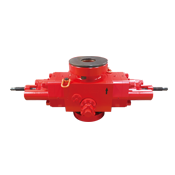
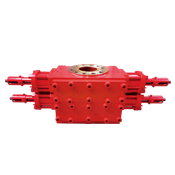
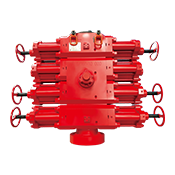
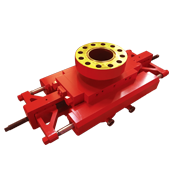
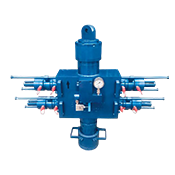
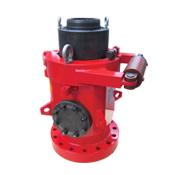
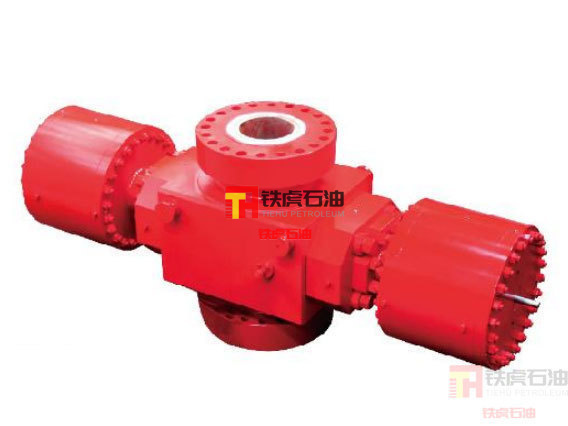
A hydraulic three-ram blowout preventer is a sophisticated device used to seal and control the wellbore in drilling operations. It features three independent rams that can be actuated to close off the well, providing a reliable barrier to prevent fluid and gas from escaping. This type of BOP is particularly favored in high-pressure environments due to its robust design and ability to handle significant hydraulic loads.
Components of a Hydraulic Three-Ram BOP
The hydraulic three-ram blowout preventer is composed of several key parts:
- **Rams**: Three movable components that seal the wellbore.
- **Hydraulic System**: Controls the movement of the rams and ensures quick operation.
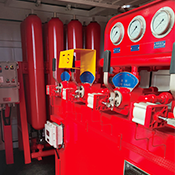
- **Control Panel**: Allows operators to manage the BOP remotely, ensuring quick and efficient responses during emergencies.
Key Benefits of Using a Three-Ram Blowout Preventer
The choice of a hydraulic three-ram blowout preventer offers numerous advantages for drilling operations:
Enhanced Safety
The primary benefit of a three-ram BOP is its ability to provide a robust safety mechanism against blowouts. With three independent sealing rams, it effectively mitigates the chances of an incident, ensuring the safety of personnel and equipment.
Versatile Application
Hydraulic three-ram BOPs are versatile and can be utilized in various drilling environments, including onshore and offshore operations. Their adaptability makes them valuable assets across different projects.
High-Pressure Capability
These blowout preventers are engineered to withstand high-pressure conditions, making them suitable for deep-water drilling and environments where pressure management is critical.
How Hydraulic Three-Ram BOPs Work
The operation of a hydraulic three-ram blowout preventer involves a hydraulic control system that actuates the rams effectively. Here’s how the process works:
Actuation Process
1. **Detection of a Blowout**: Advanced monitoring systems detect abnormal pressure changes.
2. **Activation of Control Panel**: Operators initiate the BOP activation through the control panel.
3. **Sealing the Wellbore**: The hydraulic system actuates the rams to close off the well, creating a seal that prevents fluid escape.
Monitoring and Feedback
Continuous monitoring systems provide real-time feedback during operations, allowing for immediate actions in case of emergencies. This feature is crucial for maintaining operational safety and efficiency.
Durability and Reliability in Design
When selecting a hydraulic three-ram blowout preventer, durability is a critical factor. The design must withstand extreme conditions and provide consistent performance over time.
Materials Used
Hydraulic three-ram BOPs are made from high-quality materials resistant to corrosion and wear. Stainless steel and other alloys are often used to enhance strength and durability.
Testing and Certification
Reputable manufacturers conduct thorough testing to ensure their products meet industry standards. Certifications from recognized bodies further validate the reliability of the BOP, providing peace of mind for operators.
Maintenance and Regular Inspection
To ensure the longevity and effectiveness of a hydraulic three-ram blowout preventer, regular maintenance and inspection are essential.
Scheduled Inspections
Establishing a routine inspection schedule allows operators to identify potential issues before they escalate into serious problems. Inspections should cover all components, including the hydraulic system and the rams.
Maintenance Procedures
Proper maintenance practices include:
- **Hydraulic Fluid Checks**: Ensuring the hydraulic fluid is at the correct level and condition.
- **Seal Integrity Tests**: Verifying that the seals on the rams are intact and functioning correctly.
- **Component Replacement**: Replacing any worn or damaged parts to maintain optimal performance.
Choosing the Right Hydraulic Three-Ram BOP
Selecting the appropriate hydraulic three-ram blowout preventer involves evaluating several factors:
Application Specifics
Consider the specific requirements of the drilling operation, including the type of environment, depth, and expected pressures. This assessment will guide you in selecting a BOP suited for your needs.
Manufacturer Reputation
Researching manufacturers and their product offerings is vital. Look for companies with a proven track record in producing reliable blowout preventers and those that offer comprehensive support and service.
Cost vs. Quality
While cost is an important consideration, it should not compromise quality. Investing in a durable and reliable hydraulic three-ram blowout preventer can save costs related to safety incidents and operational downtime in the long run.
Frequently Asked Questions (FAQs)
1. What is the lifespan of a hydraulic three-ram blowout preventer?
The lifespan varies based on usage and maintenance, but with proper care, it can last several years.
2. How often should a three-ram BOP be inspected?
Regular inspections are recommended every six months, or after significant operational use.
3. Can a hydraulic three-ram BOP be used in extreme temperatures?
Yes, they are designed to operate effectively in a range of temperatures, depending on the specific model and materials used.
4. What are the signs that a BOP needs maintenance?
Signs include hydraulic fluid leaks, difficulty in actuating the rams, or abnormal pressure readings.
5. Are hydraulic three-ram BOPs suitable for all drilling operations?
While they are versatile, it is essential to evaluate specific operational requirements to ensure compatibility.
Conclusion
Choosing a durable hydraulic three-ram blowout preventer is not just a matter of preference; it is a crucial decision that directly impacts safety in oil and gas operations. With its robust design, effective sealing capabilities, and adaptability to various environments, a three-ram BOP stands as a reliable line of defense against the catastrophic risks of blowouts. By understanding its functionality, benefits, and maintenance needs, operators can ensure a safer working environment, protecting both personnel and assets in an industry where safety is non-negotiable.
Related News
Contact Us
Mailbox:
tiehu@tiehupetro.com
Telephone:
86-317-2616808
Address:
Yanling Industrial Zone, Renqiu City, Cangzhou City, Hebei Province, China

Hebei New Tiehu Petroleum Machinery Co., Ltd.
Sales Line: +86-317-7651717
Telephone:+86-317-2616808 -8009
Mailbox:tiehu@tiehupetro.com
Address: Yanling Industrial Zone, Renqiu City, Cangzhou City, Hebei Province, China


Focus on us

Follow us