

The Importance of Documentation for Manual Double Ram BOP Operations
2024-08-19
The Importance of Documentation for Manual Double Ram BOP Operations
Introduction to Manual Double Ram BOPs
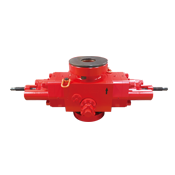
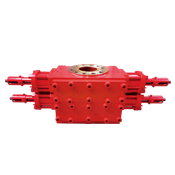
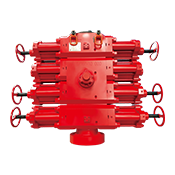
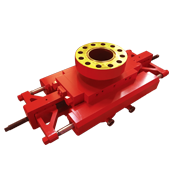
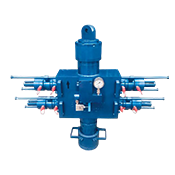
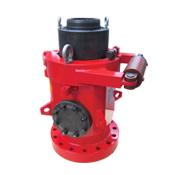
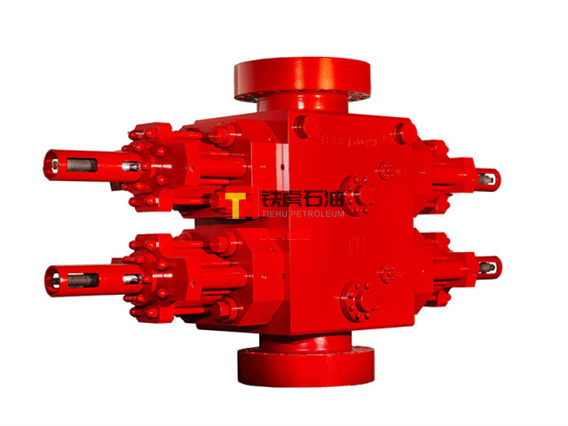
In the oil and gas industry, safety is paramount. One critical component in ensuring operational integrity during drilling activities is the **Manual Double Ram Blowout Preventer (BOP)**. This sophisticated piece of equipment serves as a vital barrier against uncontrolled well flow, safeguarding personnel and preventing environmental disasters. However, the effectiveness of a BOP system is not solely reliant on the machinery itself; comprehensive **documentation** plays an equally critical role.
Understanding the Role of Documentation in BOP Operations
Documentation serves multiple functions in the context of Manual Double Ram BOP operations. It is essential for:
1. Ensuring Compliance with Regulatory Standards
Regulatory bodies require that operators maintain meticulous records of equipment performance, maintenance logs, and operational procedures. This documentation not only demonstrates compliance with safety standards but also provides a basis for audits and inspections.
2. Facilitating Training and Knowledge Transfer
Effective documentation provides a foundation for training new personnel. Clear, detailed operational and safety procedures can drastically reduce the learning curve for new employees, ensuring that they understand both the functionality of the BOP and the proper protocols for its use.
3. Enhancing Operational Efficiency
Accurate and up-to-date documentation streamlines operational processes. When teams have easy access to historical data and procedural guides, they can make informed decisions quickly, minimizing downtime and enhancing productivity.
4. Improving Incident Response and Management
In the event of an incident, having comprehensive documentation enables teams to respond swiftly and effectively. Detailed logs of equipment operations, maintenance history, and past incidents provide crucial insights for troubleshooting and crisis management.
Best Practices for Effective Documentation
To capitalize on the benefits of documentation, organizations should adopt best practices aimed at maintaining clarity, accuracy, and accessibility.
1. Standardization of Documentation Processes
Implementing standardized formats and templates for documentation can help ensure consistency across all records. This standardization enhances readability and allows for efficient cross-referencing between different documents.
2. Regular Updates and Reviews
Documentation should be a living part of BOP operations. Establishing a routine for reviewing and updating documents ensures that all information remains current and reflective of the operational reality.
3. Utilizing Digital Tools and Technologies
Embracing digital documentation solutions can enhance efficiency and accessibility. Cloud-based platforms allow for real-time updates and easy sharing among team members, facilitating collaboration and maintaining up-to-date records.
4. Training on Documentation Practices
Training sessions focused on documentation practices should be an integral part of employee onboarding and ongoing professional development. Ensuring that all team members understand the importance of documentation and how to execute it properly is vital.
Challenges in Documentation for BOP Operations
Despite its importance, the documentation process for Manual Double Ram BOP operations is not without its challenges.
1. Resistance to Change
In many organizations, there may be resistance to adopting new documentation practices, especially if they diverge from long-standing habits. Overcoming this resistance requires clear communication about the benefits of updated practices.
2. Data Overload
Striking a balance between thorough documentation and information overload can be difficult. Too much information can lead to confusion, while insufficient documentation may result in gaps in knowledge.
3. Ensuring Accuracy Amidst Fast-Paced Operations
The high-pressure environment of oil and gas operations often leads to hurried documentation practices. Establishing a culture that prioritizes accuracy over speed is essential for effective documentation.
Consequences of Inadequate Documentation
Failing to maintain comprehensive records can have serious repercussions.
1. Increased Risk of Safety Incidents
Inadequate documentation often leads to miscommunication and operational errors, increasing the likelihood of safety incidents during BOP operations.
2. Legal and Financial Ramifications
Organizations may face legal challenges if documentation does not meet regulatory standards, potentially resulting in heavy fines and litigation costs.
3. Loss of Operational Knowledge
Without proper documentation, operational knowledge can be lost over time, especially when experienced personnel leave the organization. This knowledge gap can significantly hinder operational efficiency and safety.
The Future of Documentation in BOP Operations
As the industry evolves, so too will documentation practices.
1. Integration of AI and Machine Learning
Emerging technologies, such as artificial intelligence and machine learning, are poised to revolutionize documentation in BOP operations. These technologies can automate data entry, enhance data analysis, and generate predictive insights to improve operational decision-making.
2. Real-Time Data Capture
Advancements in IoT (Internet of Things) technologies will enable real-time data capture from BOP systems, leading to more accurate and timely documentation.
Conclusion
In conclusion, the significance of documentation in Manual Double Ram BOP operations cannot be overstated. It is a critical tool for compliance, training, operational efficiency, and incident management. By adhering to best practices and embracing new technologies, organizations can enhance their documentation processes, ensuring that they not only meet regulatory standards but also promote a culture of safety and efficiency in their operations. The future of BOP documentation lies in leveraging innovations that facilitate accuracy, accessibility, and real-time insights, ultimately bolstering the safety and reliability of drilling operations.
FAQs
1. What is a Manual Double Ram BOP?
A Manual Double Ram Blowout Preventer is a safety device used in drilling operations to prevent uncontrolled well flow. It features two opposing rams that can seal the wellbore to contain pressure.
2. Why is documentation crucial in BOP operations?
Documentation is essential for compliance, operational efficiency, training, and effective incident management in BOP operations.
3. What are some best practices for documentation?
Best practices include standardizing documentation processes, regularly updating records, using digital tools, and training personnel on documentation protocols.
4. What challenges are faced in BOP documentation?
Challenges include resistance to change, data overload, and ensuring accuracy amidst fast-paced operations.
5. How can technology improve BOP documentation?
Technologies like AI, machine learning, and IoT can automate processes, enhance data analysis, and enable real-time data capture, improving overall documentation practices.
Related News
Contact Us
Mailbox:
tiehu@tiehupetro.com
Telephone:
86-317-2616808
Address:
Yanling Industrial Zone, Renqiu City, Cangzhou City, Hebei Province, China

Hebei New Tiehu Petroleum Machinery Co., Ltd.
Sales Line: +86-317-7651717
Telephone:+86-317-2616808 -8009
Mailbox:tiehu@tiehupetro.com
Address: Yanling Industrial Zone, Renqiu City, Cangzhou City, Hebei Province, China


Focus on us

Follow us