

Understanding the Importance of Manual Double Ram Blowout Preventers in Industrial Applications
2024-09-12

Understanding the Importance of Manual Double Ram Blowout Preventers in Industrial Applications
Table of Contents
- 1. Introduction to Blowout Preventers
- 2. What is a Manual Double Ram Blowout Preventer?
- 3. The Importance of Blowout Preventers in Industrial Operations
- 4. Key Components of Manual Double Ram Blowout Preventers
- 5. How Manual Double Ram Blowout Preventers Work
- 6. Applications of Manual Double Ram Blowout Preventers in Industry
- 7. Regulatory Standards Governing BOPs
- 8. Best Practices for Implementing Manual Double Ram BOPs
- 9. Frequently Asked Questions
- 10. Conclusion
1. Introduction to Blowout Preventers
In the realm of industrial operations, particularly in oil and gas drilling, safety is paramount. One of the most critical safety devices used in these environments is the **Blowout Preventer (BOP)**. Designed to control and contain the pressure within a well, BOPs play a fundamental role in preventing blowouts—uncontrolled releases of oil, gas, or drilling fluids. Among the various types of BOPs, the **Manual Double Ram Blowout Preventer** stands out for its effectiveness and reliability in managing high-pressure situations.
2. What is a Manual Double Ram Blowout Preventer?
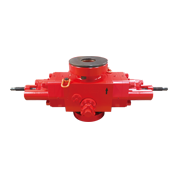
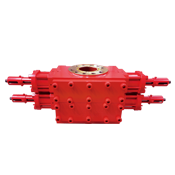
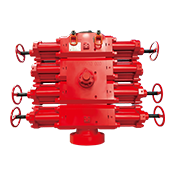
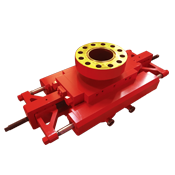
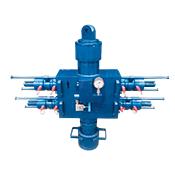
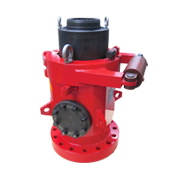
A **Manual Double Ram Blowout Preventer** is a specialized device used to seal off a well when unexpected pressure surges occur. This type of BOP features two independent ram mechanisms that can close off the wellbore, providing a fail-safe method for pressure control. Unlike hydraulic BOPs, which rely on external power sources, manual double ram BOPs are operated mechanically, offering enhanced control and simplicity in various industrial applications.
3. The Importance of Blowout Preventers in Industrial Operations
The significance of BOPs cannot be overstated. In high-stakes environments like oil and gas drilling, they serve as the last line of defense against catastrophic blowouts, which can lead to significant environmental damage, loss of life, and financial ruin. Key reasons why BOPs are indispensable include:
- **Enhanced Safety**: They minimize risks associated with high-pressure operations.
- **Environmental Protection**: BOPs help prevent spills and leaks that can harm ecosystems.
- **Regulatory Compliance**: Many jurisdictions mandate the use of BOPs to ensure industry standards are met.
- **Operational Integrity**: BOPs maintain operational efficiency and protect equipment from damage.
4. Key Components of Manual Double Ram Blowout Preventers
Understanding the components of a Manual Double Ram Blowout Preventer is crucial for effective operation and maintenance. The primary parts include:
- **Rams**: Two sets of rams that close off the wellbore. These can be configured for different applications, such as pipe or blind sealing.
- **Body**: The main housing that contains the rams and other internal components.
- **Actuators**: Mechanisms that allow the operator to manually engage or disengage the rams.
- **Pressure Gauges**: Instruments that monitor the internal pressure of the well, ensuring operators can take timely action.
5. How Manual Double Ram Blowout Preventers Work
Operating a Manual Double Ram Blowout Preventer involves a straightforward mechanical process. When a pressure spike is detected, the operator can manually activate the rams using a lever or handle. This action closes the rams against the pipe or wellbore, effectively sealing it off. The design ensures that even in the event of hydraulic failure or loss of power, operators can still maintain control, making it a reliable choice for various industrial applications.
6. Applications of Manual Double Ram Blowout Preventers in Industry
Manual Double Ram Blowout Preventers find extensive use across multiple sectors, primarily in:
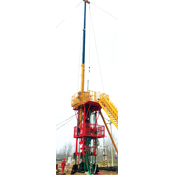
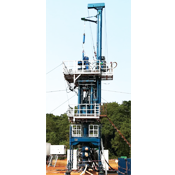
- **Oil and Gas Exploration**: Protecting against blowouts during drilling operations.
- **Geothermal Energy Production**: Maintaining well integrity in high-heat environments.
- **Mining Operations**: Controlling the pressure of various gases and fluids that may be present.
These applications underline the versatility and necessity of BOPs in safeguarding operational safety and efficiency.
7. Regulatory Standards Governing BOPs
Regulatory bodies enforce stringent standards for the use of Blowout Preventers to ensure workplace safety and environmental protection. Notable standards include:
- **American Petroleum Institute (API) Standards**: Establish guidelines for BOP design, testing, and maintenance.
- **Occupational Safety and Health Administration (OSHA)**: Mandates that BOPs be used in specific high-pressure environments to protect workers.
- **International Association of Drilling Contractors (IADC)**: Provides best practices for BOP operation and management.
Compliance with these standards is essential for any company operating in industries that utilize BOPs.
8. Best Practices for Implementing Manual Double Ram BOPs
To ensure the effective operation of Manual Double Ram Blowout Preventers, companies should adhere to the following best practices:
- **Regular Maintenance**: Schedule routine inspections and maintenance to ensure all components are functioning correctly.
- **Training Personnel**: Equip operators with comprehensive training on BOP operation and emergency procedures.
- **Testing Procedures**: Conduct regular function tests to verify that the BOP can effectively seal the wellbore when needed.
- **Documentation**: Maintain a detailed record of all maintenance activities, inspections, and training sessions.
By implementing these best practices, organizations can enhance the safety and reliability of their operations.
9. Frequently Asked Questions
What is the primary function of a Manual Double Ram Blowout Preventer?
The primary function is to prevent blowouts by sealing the wellbore in the event of a pressure surge.
How often should BOPs be inspected?
BOPs should be inspected regularly, with formal inspections typically conducted at least once a year, or more frequently depending on operational needs.
What are the key differences between manual and hydraulic BOPs?
Manual BOPs are operated mechanically, providing simplicity and reliability, while hydraulic BOPs rely on external power sources for operation.
Can BOPs be used in geothermal energy applications?
Yes, Manual Double Ram Blowout Preventers are effective in geothermal energy production, where maintaining well integrity is crucial.
Are there specific regulations for BOP use in different countries?
Yes, regulatory standards vary by country, with different organizations imposing specific requirements for BOP design, testing, and operation.
10. Conclusion
In conclusion, **Manual Double Ram Blowout Preventers** are vital components in the industrial landscape, particularly in high-risk environments like oil and gas drilling. Their ability to effectively mitigate blowout risks underscores their importance in ensuring safety, protecting the environment, and maintaining operational integrity. By understanding their function, components, and best practices for implementation, companies can not only comply with regulatory standards but also enhance their overall safety measures. Investing in quality BOP technology and training is an essential step toward fostering a culture of safety and reliability in industrial applications.
Related News
Contact Us
Mailbox:
tiehu@tiehupetro.com
Telephone:
86-317-2616808
Address:
Yanling Industrial Zone, Renqiu City, Cangzhou City, Hebei Province, China

Hebei New Tiehu Petroleum Machinery Co., Ltd.
Sales Line: +86-317-7651717
Telephone:+86-317-2616808 -8009
Mailbox:tiehu@tiehupetro.com
Address: Yanling Industrial Zone, Renqiu City, Cangzhou City, Hebei Province, China


Focus on us

Follow us