

Exploring the Advantages of Coiled Tubing Four-Ram Blowout Preventers
2024-10-02
Exploring the Advantages of Coiled Tubing Four-Ram Blowout Preventers
Table of Contents
1. Introduction to Blowout Preventers
2. Understanding Coiled Tubing Technology
3. Components of Coiled Tubing Four-Ram Blowout Preventers
4. Key Advantages of Using Coiled Tubing Four-Ram Blowout Preventers
4.1 Enhanced Safety Features
4.2 Improved Operational Efficiency
4.3 Versatility in Various Applications
4.4 Cost-Effectiveness in Long-Term Operations
5. Applications of Coiled Tubing Four-Ram Blowout Preventers
6. Performance Metrics and Industry Standards
7. Future Trends in Blowout Prevention Technology
8. Frequently Asked Questions (FAQs)
9. Conclusion
1. Introduction to Blowout Preventers
Blowout preventers (BOPs) are critical safety devices used in the oil and gas industry to prevent uncontrolled releases of crude oil or natural gas from a well. These devices serve as a barrier to contain pressure within the wellbore during drilling and production operations. Among the various types of BOPs, Coiled Tubing Four-Ram Blowout Preventers have emerged as an innovative solution, providing enhanced safety and operational efficiency.
2. Understanding Coiled Tubing Technology
Coiled tubing is a continuous length of tubing that is wound on a spool. Unlike traditional jointed pipe, coiled tubing can be inserted into the well without the need for frequent trips in and out of the hole. This technology allows for quicker operations and minimizes the risk of well control incidents. The integration of coiled tubing with four-ram BOPs further enhances the safety and efficiency of drilling operations.
3. Components of Coiled Tubing Four-Ram Blowout Preventers
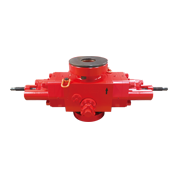
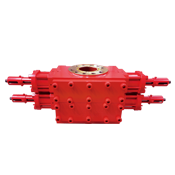
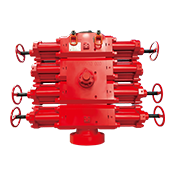
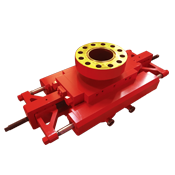
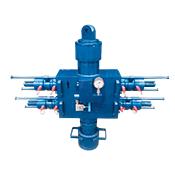
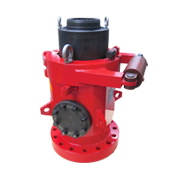
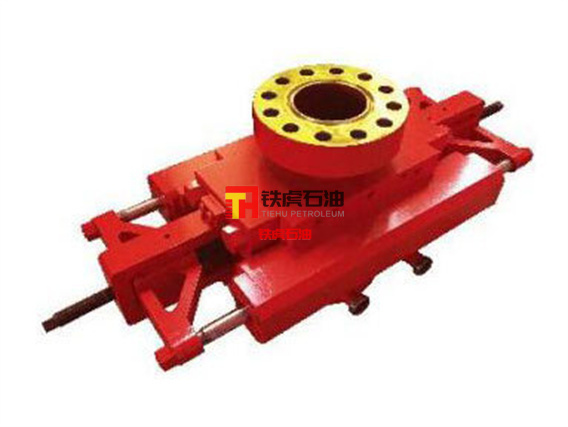
Coiled Tubing Four-Ram Blowout Preventers consist of several key components, each designed for optimal performance:
- **Rams**: The four rams are responsible for sealing the wellbore. They can be actuated hydraulically to close around the coiled tubing, creating a tight seal.
- **Body**: The body houses all internal components and provides structural integrity to withstand high-pressure environments.
- **Control System**: An advanced control system allows for real-time monitoring and operation of the BOP, ensuring prompt response to pressure changes.
- **Connection Ports**: These ports facilitate fluid flow management and enable connection to various tools and equipment.
4. Key Advantages of Using Coiled Tubing Four-Ram Blowout Preventers
Coiled Tubing Four-Ram Blowout Preventers offer several advantages that make them a preferred choice in the oil and gas industry.
4.1 Enhanced Safety Features
Safety is paramount in drilling operations. Coiled Tubing Four-Ram BOPs feature advanced sealing mechanisms that provide a robust barrier against blowouts. Their design minimizes the risk of pressure surges, ensuring that any unexpected changes in well pressure are managed effectively.
4.2 Improved Operational Efficiency
The continuous nature of coiled tubing allows for rapid deployment and retrieval, significantly reducing downtime. When combined with four-ram BOPs, operators can perform well interventions with minimal delays, enhancing overall operational efficiency.
4.3 Versatility in Various Applications
Coiled Tubing Four-Ram BOPs are adaptable for various applications, including well completion, workovers, and intervention operations. This versatility makes them suitable for a wide range of well conditions and operational requirements.
4.4 Cost-Effectiveness in Long-Term Operations
Investment in Coiled Tubing Four-Ram BOPs can lead to significant cost savings over time. Their efficiency in preventing blowouts and minimizing downtime translates to reduced operational costs and increased profitability for oil and gas companies.
5. Applications of Coiled Tubing Four-Ram Blowout Preventers
The applications of Coiled Tubing Four-Ram Blowout Preventers are diverse and critical to successful drilling operations. They are commonly used in:
- **Well Control Operations**: Ensuring a secure barrier during pressure fluctuations.
- **Workover Operations**: Facilitating interventions without the need for full rig setups.
- **Production Operations**: Allowing continuous production with minimal interruptions.
- **Remedial Work**: Assisting in the repair and maintenance of aging wells.
6. Performance Metrics and Industry Standards
To ensure that Coiled Tubing Four-Ram Blowout Preventers operate effectively, they must meet various industry standards. Performance metrics typically include:
- **Pressure Rating**: The ability to withstand high pressure without leaking.
- **Sealing Integrity**: The effectiveness of the sealing mechanism during operations.
- **Response Time**: The speed at which the BOP can be actuated in emergencies.
Regular testing and adherence to industry regulations are crucial for maintaining these performance standards.
7. Future Trends in Blowout Prevention Technology
As technology continues to advance, the future of blowout prevention is looking promising. Innovations in automation, remote monitoring, and advanced materials are set to revolutionize Coiled Tubing Four-Ram Blowout Preventers. These advancements will likely enhance safety, efficiency, and cost-effectiveness even further.
8. Frequently Asked Questions (FAQs)
8.1 What is a Coiled Tubing Four-Ram Blowout Preventer?
A Coiled Tubing Four-Ram Blowout Preventer is a safety device used in the oil and gas industry to prevent uncontrolled well blowouts while using coiled tubing.
8.2 How does a Four-Ram BOP operate?
The Four-Ram BOP operates by using hydraulically actuated rams that close around the coiled tubing to create a seal, preventing the release of pressure from the well.
8.3 What are the key benefits of using coiled tubing?
Key benefits of coiled tubing include faster deployment, reduced downtime, and the ability to perform operations without removing the tubing from the well.
8.4 How often should Blowout Preventers be tested?
Blowout Preventers should be tested regularly according to industry standards and regulations, typically before each operation and after any significant maintenance.
8.5 What are the main challenges in using Coiled Tubing Four-Ram BOPs?
Challenges may include ensuring proper maintenance, managing hydraulic pressures, and adapting to various well conditions during operational deployment.
9. Conclusion
Coiled Tubing Four-Ram Blowout Preventers are a vital component of modern oil and gas operations, offering enhanced safety, operational efficiency, versatility, and cost-effectiveness. As the industry continues to evolve, these innovative devices will play an increasingly important role in ensuring safe and productive drilling practices. Investing in Coiled Tubing Four-Ram BOPs not only mitigates risks but also positions operators to capitalize on emerging opportunities in the ever-changing landscape of energy production.
Related News
Contact Us
Mailbox:
tiehu@tiehupetro.com
Telephone:
86-317-2616808
Address:
Yanling Industrial Zone, Renqiu City, Cangzhou City, Hebei Province, China

Hebei New Tiehu Petroleum Machinery Co., Ltd.
Sales Line: +86-317-7651717
Telephone:+86-317-2616808 -8009
Mailbox:tiehu@tiehupetro.com
Address: Yanling Industrial Zone, Renqiu City, Cangzhou City, Hebei Province, China


Focus on us

Follow us