

Understanding the Functionality of S-type Double Ram Blowout Preventers: A Comprehensive Guide
2024-10-30
Understanding the Functionality of S-type Double Ram Blowout Preventers
Table of Contents
- What Are S-type Double Ram Blowout Preventers?
- The Importance of Blowout Preventers in Drilling Operations
- Key Components of S-type Double Ram BOPs
- How S-type Double Ram Blowout Preventers Work
- Types of S-type Double Ram Blowout Preventers
- Applications of S-type Double Ram BOPs in the Industry
- Maintenance and Testing of S-type Double Ram Blowout Preventers
- Common Issues and Solutions with S-type Double Ram BOPs
- Conclusion
- FAQs
What Are S-type Double Ram Blowout Preventers?
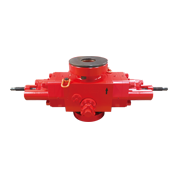
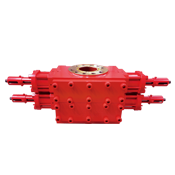
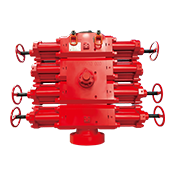
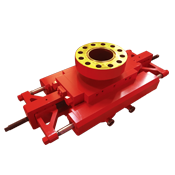
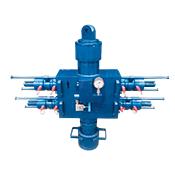
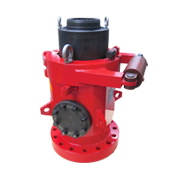
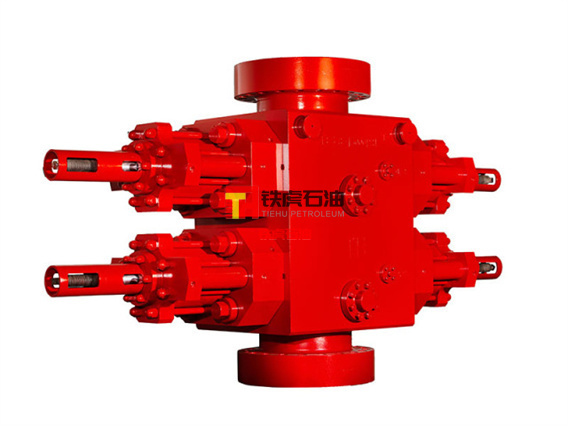
S-type Double Ram Blowout Preventers (BOPs) are vital safety devices utilized primarily in the oil and gas industry to prevent the uncontrolled release of fluids and gases during drilling operations. They are designed to seal off the wellbore in the event of a blowout, which is an uncontrolled escape of oil or gas from a well, posing significant risks to personnel, equipment, and the environment. The S-type design is characterized by its robust construction, featuring two independently operated rams that can handle high-pressure conditions effectively.
The Importance of Blowout Preventers in Drilling Operations
Blowout Preventers are crucial for maintaining safety and operational efficiency in drilling operations. The primary role of a BOP is to control the pressure in the wellbore and prevent blowouts, which can lead to catastrophic consequences. The significance of BOPs is underscored by several factors:
- **Safety**: BOPs protect the lives of rig personnel and the surrounding environment.
- **Cost Efficiency**: Preventing blowouts can save millions in rig operational costs and environmental remediation.
- **Regulatory Compliance**: Adherence to industry regulations necessitates the use of BOPs to ensure safety standards are met.
Key Components of S-type Double Ram BOPs
Understanding the functionality of S-type Double Ram BOPs involves familiarity with their key components. These components work together to ensure effective sealing and pressure control:
- **Rams**: The primary sealing mechanism, typically consisting of two rams that can close off the wellbore.
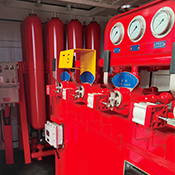
- **Hydraulic System**: Pressurized fluid activates the rams, allowing for quick response to pressure changes.
- **Control System**: The electronic or manual controls that allow operators to activate and monitor BOP functions.
- **Wellhead Interface**: The connection point between the BOP and the wellhead, ensuring a secure seal.
How S-type Double Ram Blowout Preventers Work
The operation of S-type Double Ram BOPs involves a series of steps that activate the sealing mechanism when a pressure anomaly is detected:
- **Pressure Monitoring**: Continuous monitoring of wellbore pressure levels to detect any fluctuations.
- **Activation of Rams**: Upon detecting high pressure, hydraulic fluid is pumped to the rams, causing them to close and seal the wellbore.
- **Pressure Control**: The sealed environment allows for controlled release or stabilization of pressure, preventing a blowout.
- **Monitoring and Maintenance**: Ongoing checks ensure the integrity and functionality of the BOP system, ready for any emergencies.
Types of S-type Double Ram Blowout Preventers
There are several types of S-type Double Ram BOPs, each tailored to specific operational requirements:
- **Single Stack BOP**: A compact design suitable for low to medium-pressure applications.
- **Double Stack BOP**: Offers enhanced sealing capabilities for high-pressure environments.
- **Diverter BOP**: Used primarily in offshore drilling to divert fluids away from the rig.
- **Annular BOP**: Provides a flexible sealing solution for varying pipe sizes and well configurations.
Applications of S-type Double Ram BOPs in the Industry
S-type Double Ram BOPs find extensive application across various sectors in the oil and gas industry, including:
- **Onshore Drilling**: Essential for land-based drilling operations, ensuring safety and efficiency.
- **Offshore Platforms**: Critical in offshore drilling where environmental risks are heightened.
- **Workover Operations**: Utilized during maintenance and repair of existing wells to prevent blowouts.
- **Exploratory Drilling**: Employed in new drilling sites to manage risks associated with unknown formations.
Maintenance and Testing of S-type Double Ram Blowout Preventers
Proper maintenance and regular testing of S-type Double Ram BOPs are paramount for ensuring their reliability and functionality:
- **Routine Inspections**: Scheduled checks to assess the condition of rams, seals, and hydraulic systems.
- **Functional Testing**: Simulated emergencies to evaluate BOP response under pressure conditions.
- **Seal Replacement**: Timely replacement of seals and hydraulic components to prevent leaks and ensure optimal performance.
- **Documentation**: Keeping detailed records of maintenance activities to comply with industry regulations.
Common Issues and Solutions with S-type Double Ram BOPs
Operating S-type Double Ram BOPs can present various challenges. Here are some common issues along with their solutions:
- **Hydraulic Failure**: Regularly check hydraulic fluid levels and system integrity to prevent failures.
- **Seal Wear**: Implement a proactive replacement schedule for seals to avoid leaks and ensure effective sealing.
- **Control System Malfunctions**: Conduct routine tests on the control systems to identify and rectify issues swiftly.
- **Pressure Control Issues**: Ensure accurate calibration of pressure sensors to maintain optimal pressure control.
Conclusion
In conclusion, S-type Double Ram Blowout Preventers are indispensable components of modern drilling operations. Their robust design and reliable functionality play a crucial role in preventing blowouts, thereby safeguarding personnel, equipment, and the environment. Understanding their operation, maintenance requirements, and applications is vital for industry professionals to ensure safe and efficient drilling practices. As technology continues to advance, so too will the design and efficacy of BOPs, further enhancing safety standards in the oil and gas sector.
FAQs
1. What is the primary function of an S-type Double Ram Blowout Preventer?
The primary function of an S-type Double Ram Blowout Preventer is to seal the wellbore and prevent uncontrolled releases of fluids and gases during drilling operations.
2. How often should S-type Double Ram BOPs be tested?
Regular testing should be conducted as part of a scheduled maintenance program, typically every 7-14 days, depending on operational conditions and regulations.
3. What are the main components of an S-type Double Ram BOP?
The main components include rams, a hydraulic system, a control system, and a wellhead interface, all working together to ensure effective sealing and pressure management.
4. Can S-type Double Ram BOPs be used in offshore drilling?
Yes, S-type Double Ram BOPs are extensively used in offshore drilling due to their ability to handle high-pressure environments and their essential role in blowout prevention.
5. What are the common maintenance practices for S-type Double Ram BOPs?
Common maintenance practices include routine inspections, functional testing, timely seal replacements, and thorough documentation of maintenance activities.
PREVIOUS:
Related News
Contact Us
Mailbox:
tiehu@tiehupetro.com
Telephone:
86-317-2616808
Address:
Yanling Industrial Zone, Renqiu City, Cangzhou City, Hebei Province, China

Hebei New Tiehu Petroleum Machinery Co., Ltd.
Sales Line: +86-317-7651717
Telephone:+86-317-2616808 -8009
Mailbox:tiehu@tiehupetro.com
Address: Yanling Industrial Zone, Renqiu City, Cangzhou City, Hebei Province, China


Focus on us

Follow us