

Understanding the Importance of OEM Coiled Tubing Blowout Preventers in Oil and Gas
2024-11-01
Understanding the Importance of OEM Coiled Tubing Blowout Preventers in Oil and Gas
Table of Contents
- 1. Introduction to OEM Coiled Tubing Blowout Preventers
- 2. What is a Blowout Preventer?
- 3. Types of Blowout Preventers in Oil and Gas
- 4. Importance of OEM in Coiled Tubing Blowout Preventers
- 5. Operational Safety and Efficiency
- 6. Technical Specifications of OEM Coiled Tubing Blowout Preventers
- 7. Challenges in Blowout Prevention and Solutions
- 8. The Future of Blowout Preventers in the Oil and Gas Industry
- 9. Conclusion
- 10. FAQs
1. Introduction to OEM Coiled Tubing Blowout Preventers
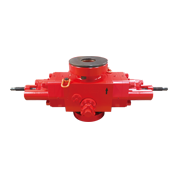
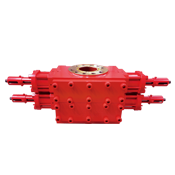
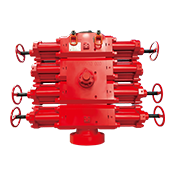
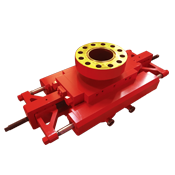
In the oil and gas industry, safety is paramount. One of the key components ensuring safety during drilling operations is the **OEM Coiled Tubing Blowout Preventer (BOP)**. These devices are essential for controlling well pressures and preventing blowouts, which can lead to catastrophic incidents. As the demand for oil and gas continues to rise, understanding the importance of OEM coiled tubing BOPs becomes imperative for industry professionals.
2. What is a Blowout Preventer?
A **Blowout Preventer** is a specialized valve or device that is installed on oil and gas wells. Its primary function is to seal, control, and monitor pressures within the wellbore. Essentially, it acts as a critical barrier between the well and the surface environment. BOPs are vital for preventing the uncontrolled release of crude oil or natural gas, which can pose serious environmental risks and jeopardize the safety of drilling crews.
3. Types of Blowout Preventers in Oil and Gas
There are various types of blowout preventers used in the oil and gas industry, including:
3.1 Annular Blowout Preventers
Annular BOPs provide a seal around the drill pipe, casing, or even in the absence of any pipe. They are versatile and can adapt to different well conditions.
3.2 Ram Blowout Preventers
Ram BOPs use a set of opposing seals to close off the wellbore. They come in several designs, including pipe rams (for sealing around pipe) and blind rams (for sealing off the well entirely).
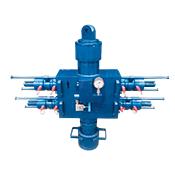
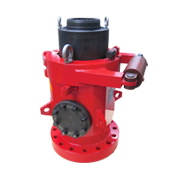
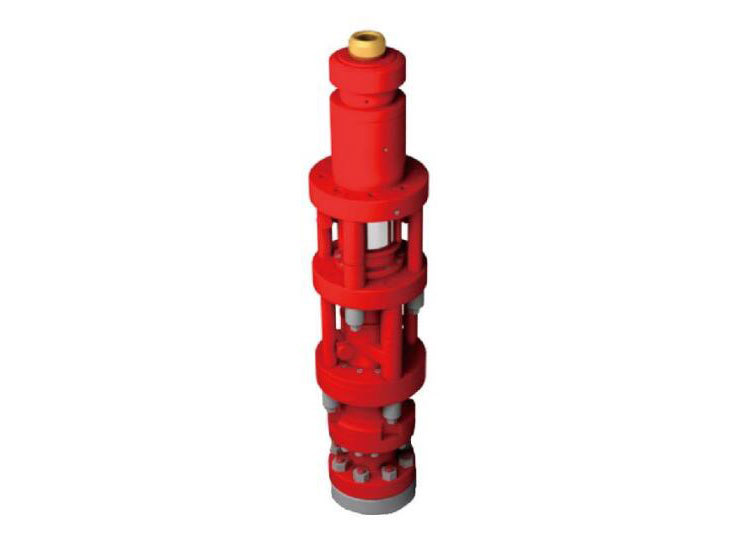
3.3 Coiled Tubing Blowout Preventers
These are specific to coiled tubing operations, allowing for greater flexibility and control during interventions. They are designed to handle the unique pressures and dynamics associated with coiled tubing.
4. Importance of OEM in Coiled Tubing Blowout Preventers
Original Equipment Manufacturers (OEMs) play a crucial role in the manufacturing of blowout preventers. The importance of OEMs can be highlighted in several areas:
4.1 Quality Assurance
OEMs adhere to strict quality control standards, ensuring that the materials and components used in BOPs meet industry regulations and performance requirements.
4.2 Customization
OEMs can provide bespoke solutions tailored to specific drilling conditions and client needs, enhancing the efficiency and safety of operations.
4.3 Technical Expertise
With extensive knowledge and expertise, OEMs can offer valuable insights into the best practices for the maintenance and operation of blowout preventers.
5. Operational Safety and Efficiency
Implementing OEM coiled tubing blowout preventers significantly improves operational safety. BOPs are designed to withstand high pressures, making them reliable even in extreme conditions. Their efficiency in controlling well pressures not only helps to prevent blowouts but also minimizes downtime, leading to more productive drilling operations.
6. Technical Specifications of OEM Coiled Tubing Blowout Preventers
Understanding the technical specifications of OEM coiled tubing BOPs is vital for ensuring their proper application:
6.1 Pressure Ratings
BOPs must have pressure ratings that exceed the maximum anticipated pressures during drilling operations. Typically, OEMs provide pressure ratings ranging from 5,000 to 20,000 psi.
6.2 Material Specifications
The materials used in the construction of BOPs are crucial for their durability and resistance to harsh environments. Common materials include high-strength steel alloys and corrosion-resistant coatings.
6.3 Size and Dimensions
The size and dimensions of BOPs vary, depending on the specific application and the size of the coiled tubing being used. OEMs provide detailed specifications to ensure compatibility with existing systems.
7. Challenges in Blowout Prevention and Solutions
Despite advancements in technology, challenges remain in blowout prevention:
7.1 Human Error
Human error is one of the leading causes of blowouts. Continuous training and simulation exercises can help reduce this risk.
7.2 Equipment Failure
Regular maintenance and inspection of BOPs are essential to prevent equipment failure. OEMs often provide comprehensive service packages to ensure optimal performance.
7.3 Environmental Factors
Adverse weather conditions can impact drilling operations. Utilizing advanced technologies and real-time monitoring systems can help mitigate risks associated with environmental factors.
8. The Future of Blowout Preventers in the Oil and Gas Industry
The future of blowout preventers lies in innovation and technology. The integration of smart technologies, such as IoT sensors and predictive analytics, is expected to enhance the performance and safety of BOPs. As the industry continues to evolve, investing in advanced BOP solutions will be crucial for meeting the challenges of modern drilling operations.
9. Conclusion
OEM coiled tubing blowout preventers are indispensable in the oil and gas industry. Their role in ensuring safety, controlling well pressures, and enabling efficient drilling operations cannot be overstated. As the industry faces new challenges, the importance of reliable and high-quality BOPs will only increase. By understanding the technical specifications, operational advantages, and future innovations of OEM coiled tubing BOPs, industry professionals can better navigate the complexities of oil and gas exploration.
10. FAQs
What are the primary functions of a coiled tubing blowout preventer?
Coiled tubing blowout preventers are designed to control well pressures, prevent blowouts, and provide a safety barrier during drilling operations.
How often should blowout preventers be inspected?
Regular inspections are recommended, typically every six months, although specific schedules may vary based on usage and manufacturer guidelines.
What are the main types of blowout preventers used in the industry?
The main types include annular blowout preventers, ram blowout preventers, and coiled tubing blowout preventers.
Why is OEM certification important for blowout preventers?
OEM certification ensures that the blowout preventers meet industry standards and regulations, providing assurance of quality and reliability.
What advancements are being made in blowout preventer technology?
Innovations include smart technology integration, improved materials for durability, and enhanced monitoring systems for real-time data analysis.
By focusing on quality, safety, and advanced technology, OEM coiled tubing blowout preventers will continue to play a critical role in the oil and gas industry's efforts to ensure safe and efficient drilling practices.
Related News
Contact Us
Mailbox:
tiehu@tiehupetro.com
Telephone:
86-317-2616808
Address:
Yanling Industrial Zone, Renqiu City, Cangzhou City, Hebei Province, China

Hebei New Tiehu Petroleum Machinery Co., Ltd.
Sales Line: +86-317-7651717
Telephone:+86-317-2616808 -8009
Mailbox:tiehu@tiehupetro.com
Address: Yanling Industrial Zone, Renqiu City, Cangzhou City, Hebei Province, China


Focus on us

Follow us