

Best Practices for Integrating RAM Blowout Preventers into Operations
2025-03-10
Best Practices for Integrating RAM Blowout Preventers into Operations
Table of Contents
- Introduction to RAM Blowout Preventers
- What Are RAM Blowout Preventers?
- The Importance of RAM Blowout Preventers in Operations
- Key Practices for Integrating RAM Blowout Preventers
- Training and Education for Personnel
- Routine Maintenance and Inspection Protocols
- Real-Time Monitoring and Data Analysis
- Ensuring Regulatory Compliance
- Common Challenges and Solutions
- Conclusion
- FAQs
Introduction to RAM Blowout Preventers
Integrating RAM Blowout Preventers (BOPs) into drilling operations is crucial for ensuring safety and efficiency in high-pressure environments. These devices play a vital role in preventing blowouts, which can lead to catastrophic accidents and environmental disasters. As the industry evolves, understanding the best practices for integrating RAM BOPs into operations has never been more important.
What Are RAM Blowout Preventers?
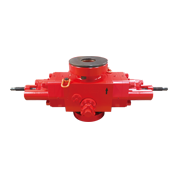
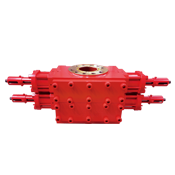
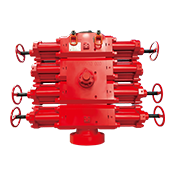
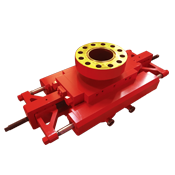
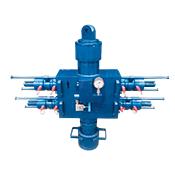
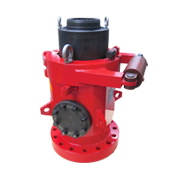
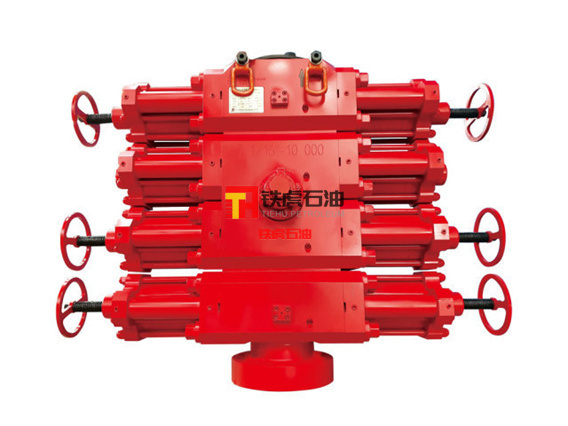
RAM Blowout Preventers are specialized valves designed to seal off a wellbore in the event of a pressure surge. They work by utilizing hydraulic pressure to close two opposing rams, effectively blocking the flow of fluids and gases. RAM BOPs are essential components in both onshore and offshore drilling operations, offering a fail-safe mechanism to maintain control over well pressures.
Types of RAM Blowout Preventers
There are primarily two types of RAM BOPs: **annular** and **shear**. Each serves a specific purpose:
- **Annular RAM BOPs**: Designed to seal around the drill pipe or casing, preventing the escape of fluids.
- **Shear RAM BOPs**: Capable of cutting through the drill pipe to create a seal, providing an extra layer of safety in emergencies.
The Importance of RAM Blowout Preventers in Operations
The integration of RAM BOPs is not merely a regulatory requirement; it is a cornerstone of operational integrity. The effective use of these devices significantly reduces the risks associated with drilling activities, including:
- **Safety Risks**: Protecting workers and equipment from blowouts.
- **Environmental Protection**: Minimizing the potential for spills and environmental contamination.
- **Financial Impact**: Preventing costly shutdowns and potential legal liabilities resulting from uncontrolled well events.
Key Practices for Integrating RAM Blowout Preventers
To maximize the effectiveness of RAM BOPs in operations, several key practices should be observed:
1. Pre-Operation Assessments
Conduct thorough assessments before the operational phase. Evaluate the specific requirements of the well and the environmental conditions to determine the most suitable RAM BOP configuration.
2. Installation Procedures
Follow strict installation protocols to ensure that RAM BOPs are correctly positioned and securely fastened. Any discrepancies during installation can lead to device failure at critical moments.
3. Integration with Drilling Programs
Incorporate RAM BOPs into your overall drilling program. This ensures that all team members understand the role of BOPs and how they interact with other equipment and processes.
4. Emergency Response Planning
Develop and maintain a robust emergency response plan that includes specific procedures for BOP activation and operation under duress. Regular drills should be conducted to ensure team readiness.
Training and Education for Personnel
Proper training is essential for the effective integration of RAM BOPs into operations. Comprehensive training programs should include:
1. Understanding BOP Functions
Personnel should be well-versed in the functioning of RAM BOPs, including the mechanics of each type and their operational sequences.
2. Safety Protocols
Training should emphasize safety protocols related to the use of RAM BOPs, covering emergency situations and proper handling techniques.
3. Regular Refresher Courses
Implement ongoing training sessions to keep staff updated on the latest technologies and industry best practices.
Routine Maintenance and Inspection Protocols
Routine maintenance and inspection are critical for ensuring that RAM BOPs function effectively when needed. Essential protocols include:
1. Scheduled Inspections
Establish a regular inspection schedule for RAM BOPs, focusing on critical components such as seals, hydraulic systems, and electrical connections.
2. Maintenance Logs
Maintain detailed logs of all inspections and maintenance performed on RAM BOPs to track performance over time and identify recurring issues.
3. Prompt Repairs
Address any identified issues immediately to prevent equipment failure during operations.
Real-Time Monitoring and Data Analysis
Implementing real-time monitoring systems enhances the operational readiness of RAM BOPs. This includes:
1. Pressure Monitoring
Utilize pressure sensors to continuously monitor well conditions, providing immediate alerts for any abnormal changes.
2. Data Integration
Integrate monitoring data with other operational systems to allow for a comprehensive view of drilling activities and BOP performance.
3. Predictive Analytics
Employ predictive analytics tools to anticipate potential failures based on historical performance data.
Ensuring Regulatory Compliance
Compliance with industry regulations is paramount when integrating RAM BOPs. This includes:
1. Understanding Regulations
Stay informed about local, national, and international regulations concerning BOP usage and installation.
2. Documentation
Maintain thorough documentation of all compliance measures undertaken, including inspections, maintenance, and training records.
3. Continuous Improvement
Regularly review and update compliance strategies to align with evolving regulations and industry standards.
Common Challenges and Solutions
Integrating RAM Blowout Preventers into operations may present challenges. Here are common obstacles and their solutions:
1. Equipment Compatibility
Challenge: Ensuring that RAM BOPs are compatible with existing drilling equipment can be difficult.
Solution: Conduct compatibility assessments during the planning phase and consult with manufacturers when necessary.
2. Personnel Resistance
Challenge: Resistance to new technologies or practices among personnel can hinder effective integration.
Solution: Engage personnel in the integration process and emphasize the benefits of RAM BOPs for safety and efficiency.
3. Cost Implications
Challenge: The upfront costs of high-quality RAM BOPs can be daunting.
Solution: Consider the long-term savings associated with reduced blowout risks and potential legal liabilities.
Conclusion
Integrating RAM Blowout Preventers into drilling operations is a critical step toward enhancing safety and operational efficiency. By adhering to best practices such as thorough training, routine maintenance, and real-time monitoring, organizations can ensure their RAM BOPs perform effectively under pressure. With these measures in place, companies can protect their workforce, the environment, and their bottom line.
FAQs
1. What is the primary function of a RAM Blowout Preventer?
The primary function of a RAM Blowout Preventer is to seal off a wellbore and prevent the escape of fluids or gases in the event of a blowout, ensuring safety during drilling operations.
2. How often should RAM BOPs be inspected?
RAM BOPs should be inspected regularly, with a suggested schedule of at least once every drilling season or as mandated by regulatory requirements.
3. What training is necessary for personnel working with RAM BOPs?
Personnel should receive training on the operation, maintenance, and emergency procedures related to RAM BOPs, along with ongoing refresher courses to remain updated on best practices.
4. Are RAM BOPs effective in all drilling environments?
Yes, RAM BOPs are effective in various drilling environments, both onshore and offshore, but their configuration may need to be tailored to specific conditions.
5. What are the consequences of not integrating RAM BOPs into drilling operations?
Failing to integrate RAM BOPs can lead to severe accidents, including blowouts, which can endanger lives, cause environmental disasters, and result in significant financial losses.
PREVIOUS:
Related News
Contact Us
Mailbox:
tiehu@tiehupetro.com
Telephone:
86-317-2616808
Address:
Yanling Industrial Zone, Renqiu City, Cangzhou City, Hebei Province, China

Hebei New Tiehu Petroleum Machinery Co., Ltd.
Sales Line: +86-317-7651717
Telephone:+86-317-2616808 -8009
Mailbox:tiehu@tiehupetro.com
Address: Yanling Industrial Zone, Renqiu City, Cangzhou City, Hebei Province, China


Focus on us

Follow us