

How Hydraulic Single Ram BOP Affects Compliance in Safety Standards
2025-03-14
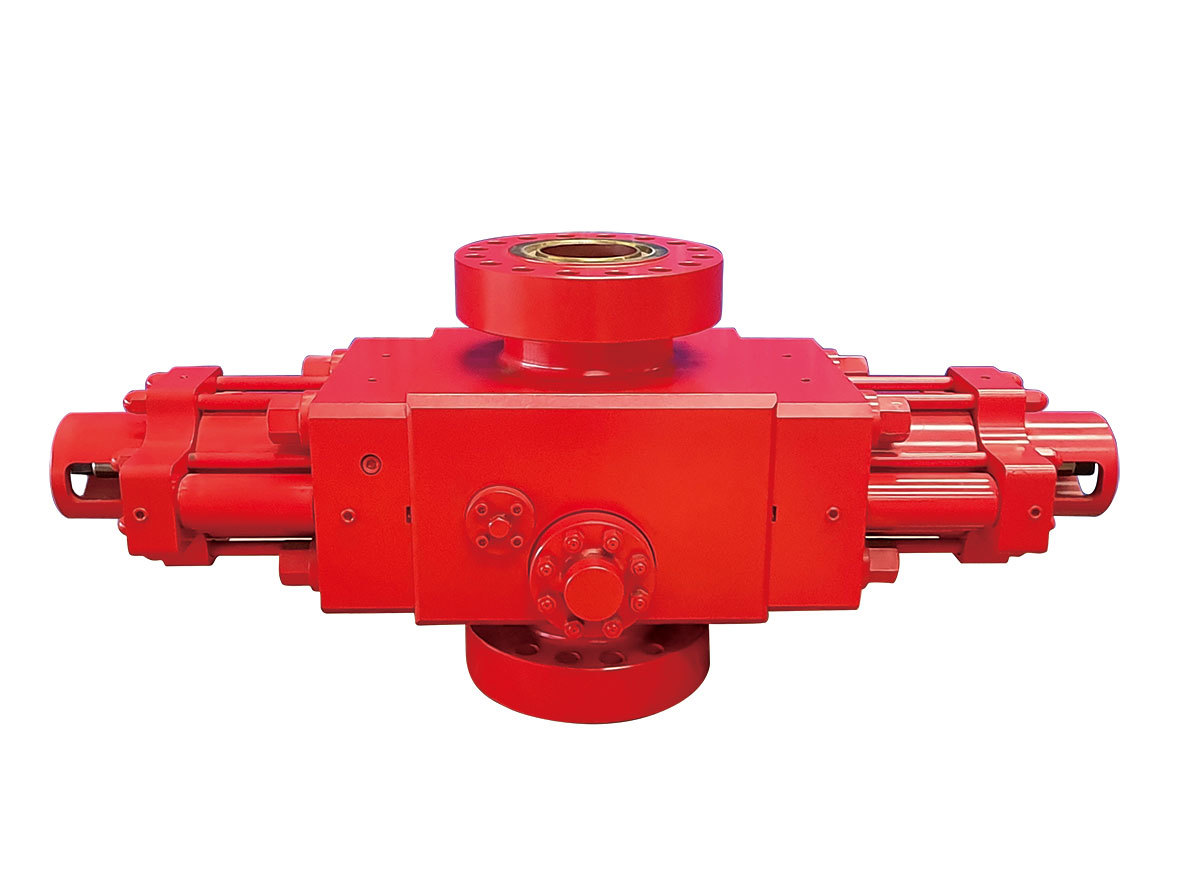
How Hydraulic Single Ram BOP Affects Compliance in Safety Standards
Table of Contents
- 1. Introduction to Hydraulic Single Ram BOPs
- 2. Importance of Blowout Preventers in Safety Compliance
- 3. Functionality of Hydraulic Single Ram BOPs
- 4. Regulatory Standards Governing BOPs
- 5. Risk Management and BOP Compliance
- 6. Industry Best Practices for BOP Maintenance
- 7. Case Studies: BOP Compliance in Action
- 8. The Future of Hydraulic Single Ram BOP Technology
- 9. Conclusion
- 10. Frequently Asked Questions
1. Introduction to Hydraulic Single Ram BOPs
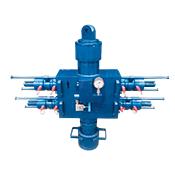
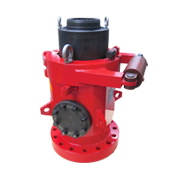
Hydraulic Single Ram Blowout Preventers (BOPs) are critical safety devices used in drilling operations to prevent uncontrolled releases of crude oil or natural gas from a well. These incidents, known as blowouts, can have catastrophic consequences, including loss of life, environmental damage, and significant financial losses. The implementation of Hydraulic Single Ram BOPs is not only a best practice but also a vital component in meeting safety compliance standards set by regulatory bodies.
2. Importance of Blowout Preventers in Safety Compliance
In the oil and gas industry, compliance with safety standards is paramount. Hydraulic Single Ram BOPs serve as the last line of defense against blowouts. Their importance in safety compliance cannot be overstated. By effectively controlling well pressure and managing fluid flow, these devices minimize the risk of blowouts and ensure that drilling operations adhere to industry regulations.
The use of BOPs enhances operational safety and reinforces an organization’s commitment to maintaining a safe working environment. Furthermore, regulatory agencies, such as the Occupational Safety and Health Administration (OSHA) and the Bureau of Safety and Environmental Enforcement (BSEE), require compliance with specific regulations, making the implementation of BOPs essential for companies that want to operate within legal frameworks.
3. Functionality of Hydraulic Single Ram BOPs
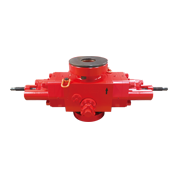
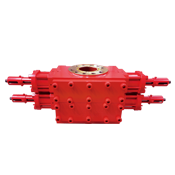
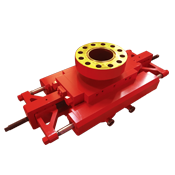
Hydraulic Single Ram BOPs are designed to seal off the wellbore and control the well pressure during drilling operations. They utilize hydraulic pressure to operate a single ram that can close around the pipe and prevent the flow of fluids from the well. The functionality of these BOPs can be broken down into several key components:
3.1 Pressure Control Mechanism
The primary function of a Hydraulic Single Ram BOP is to provide pressure control. When well pressure exceeds predetermined limits, the BOP can be activated to close the ram, effectively sealing the wellbore and preventing blowouts.
3.2 Emergency Response
In the event of an unexpected pressure surge, the BOP can be quickly engaged to halt fluid flow. This rapid response is crucial in reducing the risk of blowouts and minimizing potential damage.
3.3 Monitoring and Maintenance
Regular monitoring and maintenance of Hydraulic Single Ram BOPs are essential to ensure their proper functionality. Companies must adhere to maintenance schedules and conduct inspections to verify that the BOPs are operating efficiently and effectively.
4. Regulatory Standards Governing BOPs
The safety and operational efficacy of Hydraulic Single Ram BOPs are governed by various regulations that vary by region and industry. These regulations are designed to protect workers, the environment, and the integrity of drilling operations.
4.1 Overview of Regulatory Bodies
Several organizations regulate the use of BOPs in the oil and gas industry, including:
- **OSHA**: Establishes safety and health regulations for workplace environments.
- **BSEE**: Oversees safety and environmental regulations specific to offshore drilling operations.
- **Environmental Protection Agency (EPA)**: Enforces environmental standards related to drilling activities.
4.2 Compliance Requirements
Organizations must comply with specific requirements regarding the installation, testing, and maintenance of BOPs. Documentation and records of inspections, maintenance, and training are often required to demonstrate compliance during audits and inspections.
5. Risk Management and BOP Compliance
Implementing Hydraulic Single Ram BOPs is a key strategy in risk management for drilling operations. By effectively managing the risks associated with blowouts, organizations can significantly reduce liability and enhance safety.
5.1 Identifying Potential Risks
A comprehensive risk assessment should identify all potential hazards associated with drilling operations, including equipment failure, human error, and environmental considerations.
5.2 Mitigation Strategies
To mitigate these risks, it’s crucial to establish protocols for the operation and maintenance of BOPs, train personnel, and implement emergency response plans. Regular drills and training sessions can prepare staff for potential blowout scenarios, ensuring they know how to react swiftly and safely.
5.3 Continuous Improvement
Organizations should regularly review their risk management strategies and adjust their BOP protocols as necessary, based on new technologies, changes in regulations, and lessons learned from past incidents.
6. Industry Best Practices for BOP Maintenance
To maintain compliance and ensure the effectiveness of Hydraulic Single Ram BOPs, organizations should follow industry best practices for maintenance and operations.
6.1 Regular Inspections
Conduct routine inspections of BOPs to ensure they function correctly. Inspections should include checking seals, hydraulic systems, and control mechanisms.
6.2 Training and Certification
Ensure that all personnel involved in operating and maintaining BOPs are adequately trained and certified. This training should cover emergency procedures, equipment handling, and compliance regulations.
6.3 Documentation and Record Keeping
Maintain detailed records of all BOP inspections, maintenance activities, and training sessions. This documentation is essential for compliance audits and can be invaluable in the event of an incident.
7. Case Studies: BOP Compliance in Action
Examining real-world examples of Hydraulic Single Ram BOP implementation can provide valuable insights into best practices and regulatory compliance.
7.1 Successful Implementation
A drilling company in the Gulf of Mexico implemented a rigorous BOP maintenance program that included regular pressure testing and personnel training. This proactive approach led to a significant reduction in incidents and improved compliance with regulatory standards.
7.2 Lessons Learned from Failures
In contrast, another company faced legal action and heavy fines due to a catastrophic blowout caused by a malfunctioning BOP. The investigations revealed inadequate maintenance and lack of staff training, highlighting the critical importance of diligence in BOP management.
8. The Future of Hydraulic Single Ram BOP Technology
As technology continues to advance, so too does the future of Hydraulic Single Ram BOPs. Innovations in design and materials are expected to enhance their functionality and reliability.
8.1 Smart BOP Features
Future BOP systems may include smart technology that allows for real-time monitoring and data analysis, enabling better decision-making during drilling operations.
8.2 Environmental Considerations
As environmental regulations become stricter, the development of BOPs that minimize environmental impact will be critical for compliance and operational success.
9. Conclusion
The implementation of Hydraulic Single Ram BOPs plays a vital role in ensuring compliance with safety standards in drilling operations. Their functionality in preventing blowouts and managing well pressure is fundamental to protecting workers, the environment, and company assets. By adhering to regulatory requirements, following industry best practices, and embracing technological advancements, organizations can enhance safety, reduce risk, and maintain compliance in an increasingly regulated industry.
10. Frequently Asked Questions
10.1 What is a Hydraulic Single Ram BOP?
A Hydraulic Single Ram BOP is a safety device used in drilling operations to prevent uncontrolled releases of oil or gas from a well.
10.2 Why are BOPs important for compliance?
BOPs are critical for compliance as they help prevent blowouts, ensuring that drilling operations adhere to regulatory safety standards.
10.3 What regulations govern BOP usage?
Regulations governing BOP usage include guidelines from OSHA, BSEE, and the EPA, which set safety and environmental standards for drilling operations.
10.4 How can organizations ensure BOP effectiveness?
Organizations can ensure BOP effectiveness through regular inspections, maintenance, and personnel training.
10.5 What are the future trends in BOP technology?
Future trends in BOP technology include smart features for real-time monitoring and advances aimed at minimizing environmental impact.
By focusing on the critical aspects surrounding Hydraulic Single Ram BOPs and their role in safety compliance, organizations can better navigate the complexities of the regulatory landscape while ensuring the safety of their operations.
Related News
Contact Us
Mailbox:
tiehu@tiehupetro.com
Telephone:
86-317-2616808
Address:
Yanling Industrial Zone, Renqiu City, Cangzhou City, Hebei Province, China

Hebei New Tiehu Petroleum Machinery Co., Ltd.
Sales Line: +86-317-7651717
Telephone:+86-317-2616808 -8009
Mailbox:tiehu@tiehupetro.com
Address: Yanling Industrial Zone, Renqiu City, Cangzhou City, Hebei Province, China


Focus on us

Follow us