

Why Hydraulic Three-Ram BOPs are Essential for Safe Operations
2025-03-18

Introduction to Hydraulic Three-Ram BOPs
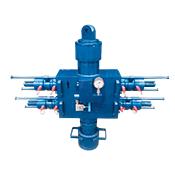
In the highly specialized field of drilling operations, safety is paramount. One of the core components that ensures the integrity of these operations is the **Hydraulic Three-Ram Blowout Preventer (BOP)**. This device is crucial for controlling well pressure and preventing dangerous blowouts. In this article, we will delve into the functionality, advantages, and significance of Hydraulic Three-Ram BOPs in maintaining safe operational practices in the industry.
Understanding Blowout Preventers
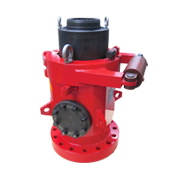
Blowout Preventers (BOPs) are critical safety devices installed on drilling rigs. They serve as a first line of defense against uncontrolled fluid releases from the wellbore. When high-pressure conditions arise, BOPs can seal the well to prevent blowouts, which can lead to catastrophic events, including explosions and environmental disasters.
The Mechanics of Hydraulic Three-Ram BOPs
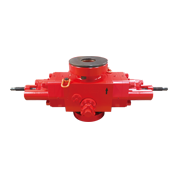
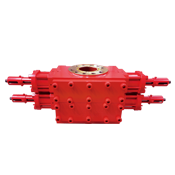
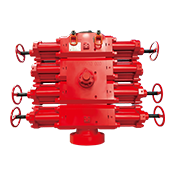
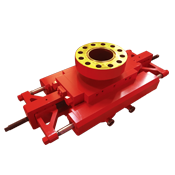
The Hydraulic Three-Ram BOP is a sophisticated piece of equipment designed with three independent rams. These rams can operate independently to provide optimal sealing capabilities. Here's a closer look at how these components function:
1. Ram Configuration
Hydraulic Three-Ram BOPs use three rams—two of which are typically used for sealing around the drill pipe, while the third is dedicated to sealing the wellbore itself. This configuration allows for versatile operation under various circumstances.
2. Hydraulic Actuation
The hydraulic system powers the rams, allowing them to move quickly and exert significant force, ensuring a tight seal. This hydraulic actuation is essential for responding swiftly during critical situations.
3. Emergency Response
In the event of a pressure surge, the BOP can close rapidly, preventing any uncontrolled release of hydrocarbons. This emergency response mechanism is vital for protecting personnel and the environment.
The Importance of Hydraulic Three-Ram BOPs in Safe Operations
The primary function of Hydraulic Three-Ram BOPs is to maintain well control. This function is essential not only for the safety of the drilling operation but also for the protection of the surrounding environment and communities.
1. Enhanced Safety Protocols
The use of Hydraulic Three-Ram BOPs enhances safety protocols by providing a dependable barrier against blowouts. Operators can work with increased confidence, knowing that they have a robust system in place.
2. Minimizing Environmental Impact
Blowouts can have devastating environmental impacts, including oil spills and contamination of water sources. The ability of Hydraulic Three-Ram BOPs to seal off a well quickly minimizes the risk of such environmental disasters.
3. Cost-Effectiveness
While the initial investment in Hydraulic Three-Ram BOPs may seem high, the long-term benefits outweigh the costs. Preventing a blowout can save millions of dollars in damages, regulatory fines, and cleanup expenses.
Regulatory Compliance and Industry Standards
To operate safely and efficiently, drilling companies must comply with a range of regulatory standards. Hydraulic Three-Ram BOPs play a crucial role in meeting these compliance requirements.
1. Adhering to Safety Regulations
Regulatory bodies such as the Bureau of Safety and Environmental Enforcement (BSEE) in the United States mandate that drilling operations utilize effective BOP systems. Compliance with these regulations is non-negotiable for the safety of workers and the environment.
2. Industry Best Practices
The oil and gas industry has established best practices that highlight the importance of using advanced BOP technology. Adopting Hydraulic Three-Ram BOPs aligns with these best practices and enhances operational safety.
Choosing the Right Hydraulic Three-Ram BOP
Investing in a Hydraulic Three-Ram BOP involves careful consideration of various factors. Here are some key points to help you choose the right system for your operation.
1. Assessing Well Conditions
Understanding the specific conditions of the well—such as pressure, temperature, and fluid characteristics—is vital in selecting the appropriate BOP. Each operational scenario may require a different type of BOP configuration.
2. Evaluating Manufacturer Reputation
Not all BOP manufacturers are created equal. Researching manufacturers’ reputations, product quality, and customer service can guide you toward a reliable system that meets your operational needs.
3. Considering Maintenance Requirements
Regular maintenance of Hydraulic Three-Ram BOPs is essential for their long-term functionality. Opt for systems that offer user-friendly maintenance solutions and are backed by comprehensive support from the manufacturer.
Training and Best Practices for Operators
The effectiveness of Hydraulic Three-Ram BOPs is significantly influenced by the training and practices of the operators.
1. Comprehensive Operator Training
Operators must undergo rigorous training to fully understand the functionality and operation of Hydraulic Three-Ram BOPs. This training ensures that they can respond effectively in emergency situations.
2. Regular Drills and Simulations
Conducting regular drills and simulations can ensure that crews are well-prepared for any potential blowout scenarios. These exercises should include practical training on BOP activation and well control techniques.
Future Trends in BOP Technology
As technology advances, the future of Hydraulic Three-Ram BOPs looks promising. Innovations are likely to enhance their efficiency and effectiveness further.
1. Automation and Smart Technology
The integration of automation and smart technology in BOP systems may lead to quicker responses and enhanced monitoring capabilities, allowing for real-time data analysis and decision-making.
2. Improved Materials and Designs
Advancements in materials science could result in stronger, more durable BOPs that can withstand extreme conditions, thereby increasing their reliability and lifespan.
Conclusion
In summary, Hydraulic Three-Ram BOPs are indispensable for ensuring the safety and integrity of drilling operations. Their advanced design, including independent ram function and hydraulic actuation, allows for quick responses to potential blowout scenarios. By adhering to safety regulations, investing in reliable technology, and ensuring comprehensive operator training, companies can protect their personnel and the environment while minimizing financial risks. As the industry continues to evolve, the role of BOPs will only become more critical, making it essential for operators to stay abreast of advancements and best practices in this vital area of safety.
FAQs
1. What is a Hydraulic Three-Ram BOP?
A Hydraulic Three-Ram BOP is a safety device used in drilling operations to control well pressure and prevent blowouts.
2. How does a Hydraulic Three-Ram BOP work?
It employs three independent rams that can seal the well and prevent fluid release when activated, often powered by hydraulic systems.
3. Why are BOPs important in drilling operations?
BOPs are crucial for maintaining well control and preventing blowouts, thereby ensuring the safety of personnel and the environment.
4. What factors should be considered when choosing a BOP?
Key considerations include well conditions, manufacturer reputation, and maintenance requirements.
5. How can operators ensure effective use of BOPs?
Comprehensive training, regular drills, and adherence to best practices are essential for the effective use of BOPs in the field.
Related News
Contact Us
Mailbox:
tiehu@tiehupetro.com
Telephone:
86-317-2616808
Address:
Yanling Industrial Zone, Renqiu City, Cangzhou City, Hebei Province, China

Hebei New Tiehu Petroleum Machinery Co., Ltd.
Sales Line: +86-317-7651717
Telephone:+86-317-2616808 -8009
Mailbox:tiehu@tiehupetro.com
Address: Yanling Industrial Zone, Renqiu City, Cangzhou City, Hebei Province, China


Focus on us

Follow us