
Understanding the Critical Function of a Three-Wing Blowout Preventer in Oil and Gas Safety
2025-03-20
Understanding the Critical Function of a Three-Wing Blowout Preventer in Oil and Gas Safety
Table of Contents
- Introduction to Blowout Preventers
- What is a Three-Wing Blowout Preventer?
- The Importance of Blowout Preventers in Oil and Gas Safety
- How Does a Three-Wing Blowout Preventer Work?
- Installation Process of a Three-Wing Blowout Preventer
- Maintenance and Inspection of Blowout Preventers
- Regulatory Standards and Compliance for BOPs
- The Future of Blowout Preventer Technology
- Conclusion: Enhancing Safety in Oil and Gas Operations
- Frequently Asked Questions
Introduction to Blowout Preventers
In the oil and gas industry, safety is paramount. One of the most critical safety devices used during drilling operations is the **blowout preventer (BOP)**. This mechanical safety tool is designed to control the flow of fluids and gases during drilling operations, preventing uncontrolled releases that can lead to catastrophic blowouts. Among various types of BOPs, the **three-wing blowout preventer** stands out due to its effective design and functionality. This article will explore the role of three-wing BOPs in enhancing safety within the oil and gas sector.
What is a Three-Wing Blowout Preventer?
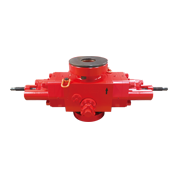
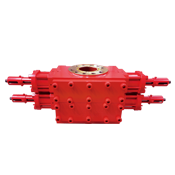
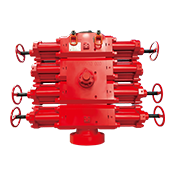
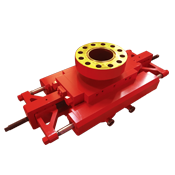
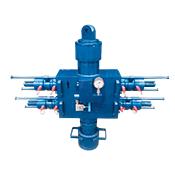
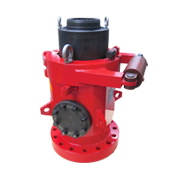
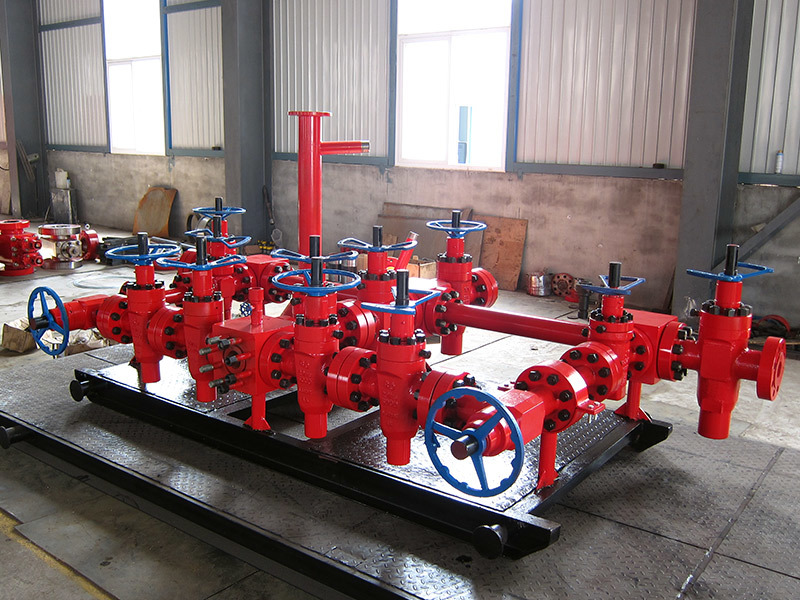
A **three-wing blowout preventer** is a specialized type of BOP equipped with three hydraulically operated rams. These rams can seal off the wellbore, controlling the flow of hydrocarbons and preventing blowouts during drilling operations. The design of the three-wing BOP allows for rapid response to changing pressure conditions, ensuring the wellbore remains secure.
The three wings refer to the three rams that can be activated independently, allowing for flexible control of the well. This feature is vital in scenarios where drilling pressures fluctuate, enabling operators to manage the well effectively.
Components of a Three-Wing Blowout Preventer
Understanding the components of a three-wing BOP is essential for recognizing its functionality:
- **Hydraulic Rams**: These are the core components that seal the wellbore. They can be configured to handle various well conditions.
- **Control System**: The hydraulic control system manages the activation of the rams, ensuring rapid response times.
- **Body Structure**: Made of high-strength materials, the BOP body is designed to withstand extreme pressures and temperatures.
The Importance of Blowout Preventers in Oil and Gas Safety
The role of blowout preventers in the oil and gas industry extends beyond mere equipment; they are critical for safeguarding lives, the environment, and operational integrity. Blowouts can result in devastating consequences, including loss of life, environmental disasters, and significant financial losses.
By installing three-wing BOPs, operators can effectively mitigate these risks. These devices act as a last line of defense, allowing for the quick containment of potentially hazardous situations.
Preventing Catastrophic Blowouts
Blowouts can occur due to various factors, including unexpected pressure surges and equipment failure. The ability of a three-wing BOP to quickly seal the well is crucial in preventing these events. By keeping the wellbore secure, it minimizes the chances of uncontrolled hydrocarbon release, thus ensuring the safety of personnel and the surrounding environment.
How Does a Three-Wing Blowout Preventer Work?
The operational mechanics of a three-wing BOP are fascinating and complex. Upon detecting a pressure anomaly, the BOP's hydraulic system is activated, causing the rams to close and seal the well. This process involves several steps:
1. **Pressure Monitoring**: Continuous monitoring of wellbore pressure is essential. Sensors relay this information to the control system.
2. **Activation of Rams**: When pressure exceeds predetermined limits, the hydraulic system engages to activate the rams.
3. **Sealing the Well**: As the rams close, they create a barrier that stops the flow of fluids and gases, thereby securing the wellbore.
The rapid response of this system is vital, as even seconds can mean the difference between containment and disaster.
Installation Process of a Three-Wing Blowout Preventer
The installation of a three-wing blowout preventer is a meticulous process that requires specialized knowledge and expertise. The following steps summarize the installation process:
1. **Site Preparation**: Before installation, the site must be prepared according to safety and operational standards.
2. **Positioning the BOP**: The BOP is positioned above the wellhead, aligning it with the drilling rig's drilling line.
3. **Securing Connections**: All hydraulic and control lines are securely connected to the BOP. Proper sealing is critical to prevent leaks.
4. **Testing Functionality**: Once installed, the BOP undergoes rigorous testing to ensure all systems are operational before drilling begins.
Successful installation is key to ensuring that the blowout preventer function will be reliable when needed most.
Maintenance and Inspection of Blowout Preventers
Maintaining a three-wing BOP is vital for its longevity and effectiveness. Regular inspections and maintenance routines help identify potential issues before they escalate into critical failures.
Routine Maintenance Checklist
- **Hydraulic System Checks**: Ensure that hydraulic fluids are at optimal levels and that there are no leaks in the system.
- **Ram Functionality Tests**: Regularly test the functionality of the rams to confirm they seal correctly.
- **Control System Diagnostics**: Run diagnostic tests on the control systems to ensure responsiveness.
By adhering to a thorough maintenance schedule, operators can ensure that their BOPs remain reliable and effective over time.
Regulatory Standards and Compliance for BOPs
The oil and gas industry is governed by stringent regulatory standards concerning safety equipment, including blowout preventers. Compliance with these regulations is not only crucial for safety but also for operational legality.
Key Regulatory Bodies
- **Occupational Safety and Health Administration (OSHA)**: OSHA sets safety standards for workplace environments, including drilling sites.
- **Bureau of Safety and Environmental Enforcement (BSEE)**: BSEE oversees safety policies in offshore drilling, ensuring BOPs meet industry standards.
Adhering to these regulations ensures that operators maintain a high level of safety and operational integrity, safeguarding their workforce and the environment.
The Future of Blowout Preventer Technology
As technology advances, so does the capability of blowout preventers. The future of BOP technology lies in improved materials, automation, and smart systems:
Innovations on the Horizon
- **Smart BOP Systems**: Integrating IoT technology can lead to real-time monitoring and predictive maintenance, enhancing safety and efficiency.
- **Advanced Materials**: Research into lighter, stronger materials can improve the resilience and longevity of BOPs, especially in extreme conditions.
These innovations promise to enhance the safety and efficiency of drilling operations, making three-wing blowout preventers even more effective in their critical role.
Conclusion: Enhancing Safety in Oil and Gas Operations
In conclusion, the role of the three-wing blowout preventer in oil and gas safety cannot be overstated. This essential equipment serves as a safeguard against the catastrophic consequences of blowouts. From installation and maintenance to adherence to regulatory standards, understanding the function and importance of BOPs is vital for all stakeholders in the oil and gas industry. As technology continues to evolve, the future of blowout preventers looks promising, setting the stage for safer and more efficient drilling practices.
Frequently Asked Questions
1. What is the primary function of a blowout preventer?
The primary function of a blowout preventer is to control the flow of fluids and gases during drilling operations, preventing uncontrolled releases known as blowouts.
2. How do three-wing blowout preventers differ from other BOP types?
Three-wing blowout preventers have three independently operated rams, allowing for more flexible and effective control of wellbore pressure compared to other types of BOPs.
3. What are the key components of a three-wing BOP?
Key components include hydraulic rams, a hydraulic control system, and a robust body structure designed to withstand high pressures.
4. What maintenance practices are essential for blowout preventers?
Routine checks of hydraulic systems, functionality tests of rams, and diagnostics of control systems are essential for effective maintenance.
5. What regulatory bodies oversee BOP safety standards?
The Occupational Safety and Health Administration (OSHA) and the Bureau of Safety and Environmental Enforcement (BSEE) are key regulatory bodies governing BOP safety standards in the oil and gas industry.
By understanding these facets of three-wing blowout preventers, industry stakeholders can better appreciate their significance in maintaining safety and operational integrity in oil and gas operations.
PREVIOUS:
Related News
Contact Us
Mailbox:
tiehu@tiehupetro.com
Telephone:
86-317-2616808
Address:
Yanling Industrial Zone, Renqiu City, Cangzhou City, Hebei Province, China

Hebei New Tiehu Petroleum Machinery Co., Ltd.
Sales Line: +86-317-7651717
Telephone:+86-317-2616808 -8009
Mailbox:tiehu@tiehupetro.com
Address: Yanling Industrial Zone, Renqiu City, Cangzhou City, Hebei Province, China


Focus on us

Follow us