

Why Every Oil Rig Needs a Rotary Blowout Preventer: The Essential Safety Device for Oil Extraction
2025-03-24
Why Every Oil Rig Needs a Rotary Blowout Preventer
Understanding Blowouts and Their Dangers
Oil extraction is a complex process that involves drilling deep into the Earth's crust to access valuable resources. However, it comes with inherent risks, particularly the threat of blowouts. A blowout occurs when uncontrolled pressure forces oil and gas to the surface, posing significant dangers to personnel, equipment, and the environment. The consequences can be catastrophic, leading to fires, explosions, and environmental disasters.
The Role of a Rotary Blowout Preventer
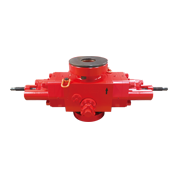
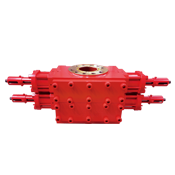
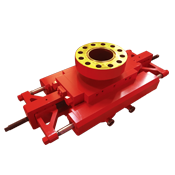
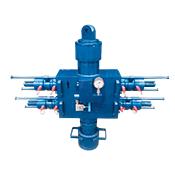
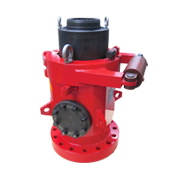
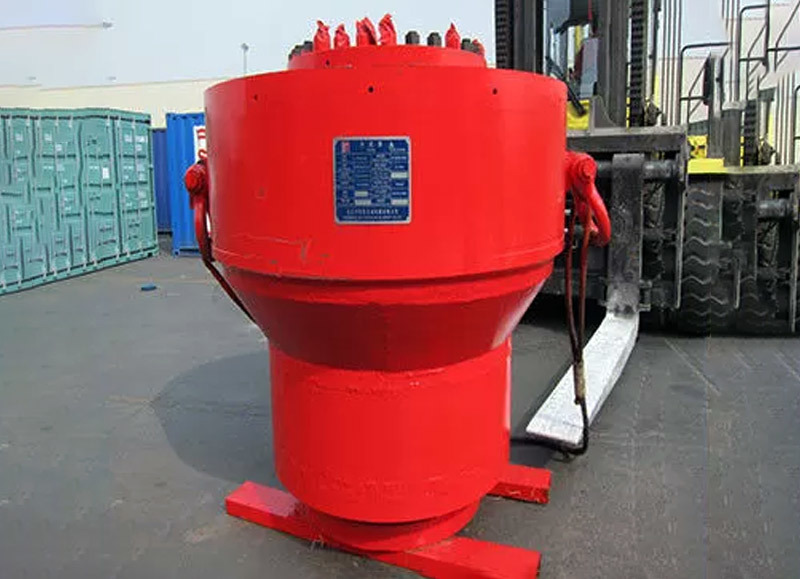
A rotary blowout preventer (BOP) is a crucial safety device designed to control and contain pressure during drilling operations. Functioning as a barrier, it prevents the uncontrolled release of hydrocarbons and other materials. This section delves into the mechanics of rotary BOPs and their operational significance.
How Does a Rotary Blowout Preventer Work?
Rotary BOPs utilize hydraulic systems to seal the wellbore. When abnormal pressure is detected, the BOP activates to close off the well, effectively preventing any blowout. The following steps outline the operation of a rotary blowout preventer:
1. **Pressure Detection**: Advanced sensors monitor pressure levels in real-time.
2. **Activation**: Upon detecting a pressure spike, the hydraulic system triggers the BOP to close.
3. **Sealing Mechanism**: The BOP utilizes rubber seals and rams to create an airtight seal around the drill pipe.
4. **Monitoring**: Continuous monitoring ensures that pressure remains contained, allowing for safe drilling operations.
Types of Blowout Preventers
While rotary BOPs are widely recognized, various types exist, each tailored for specific applications. Understanding these types can help operators choose the best option for their rig:
- **Annular Blowout Preventers**: Designed to seal around any object in the wellbore.
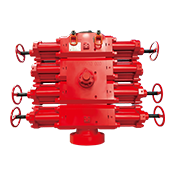
- **Ram-Type BOPs**: Feature two opposing rams that close off the well and can accommodate various drill pipe sizes.
- **Diverter Systems**: Redirect flow to prevent dangerous escapes during drilling.
Why Rotary Blowout Preventers Are Essential for Oil Rigs
The use of rotary blowout preventers is not merely a best practice but a critical necessity for several reasons.
1. Ensuring Worker Safety
The safety of personnel is paramount in oil extraction. Rotary BOPs act as the first line of defense against dangerous blowouts, significantly reducing the risk to workers on-site. In the event of a pressure surge, the BOP can contain the situation swiftly, allowing workers to evacuate safely.
2. Preventing Environmental Catastrophes
Oil spills can have devastating effects on marine and terrestrial ecosystems. By effectively managing blowouts, rotary BOPs play an essential role in protecting the environment. They prevent uncontrolled releases that can lead to contamination of water sources and surrounding land.
3. Reducing Financial Losses
Blowouts can result in significant financial repercussions due to downtime, equipment damage, and cleanup efforts. The implementation of rotary BOPs minimizes the likelihood of blowouts, safeguarding assets and ensuring operational continuity.
4. Compliance with Safety Regulations
Governments and regulatory bodies impose strict safety regulations in the oil and gas industry. Utilizing rotary blowout preventers demonstrates compliance with these regulations, reducing the risk of legal repercussions and enhancing the company's reputation.
Best Practices for Implementing Rotary Blowout Preventers
To maximize the effectiveness of rotary blowout preventers, operators should adhere to best practices throughout the drilling process.
Regular Maintenance and Inspections
Routine maintenance is essential to ensure the reliability of BOPs. Operators should implement a comprehensive inspection schedule that includes:
- Checking hydraulic systems for leaks.
- Testing seals and rams for wear and tear.
- Verifying the functionality of pressure sensors.
Training Personnel
Proper training for all personnel involved in drilling operations is vital. Workers should be well-versed in the function and operation of rotary BOPs, as well as emergency protocols in case of a blowout.
Simulation Drills
Conducting regular blowout simulation drills can prepare the crew for potential emergencies. These exercises help ensure that everyone knows their roles and can execute an effective response in real-time scenarios.
Challenges in Using Rotary Blowout Preventers
While rotary blowout preventers are indispensable, challenges can arise in their implementation and operation.
1. High Initial Costs
Investing in rotary BOP technology can be expensive. However, considering the potential costs of blowouts, this investment is often justified in the long run.
2. Technical Limitations
Certain conditions, such as extreme depths or high-pressure wells, can challenge the effectiveness of standard rotary BOPs. Using specialized equipment designed for these conditions can mitigate this limitation.
3. Human Error
Even with the best technology, human error remains a risk factor. Continuous training and a culture of safety can help minimize this risk.
The Future of Blowout Prevention Technology
As the oil and gas industry evolves, so too does blowout prevention technology. Innovations such as automated BOP systems and advanced monitoring technologies are on the horizon. These advancements promise to enhance safety and efficiency in drilling operations.
Emerging Technologies in Blowout Prevention
- **Automated BOP Systems**: These systems use advanced robotics to reduce reliance on human intervention during critical moments.
- **Real-time Monitoring**: Technologies that provide real-time data on well conditions can enhance decision-making processes and improve response times.
Conclusion
In summary, rotary blowout preventers are essential safety devices in the oil industry, playing a crucial role in preventing blowouts, safeguarding personnel, protecting the environment, and ensuring compliance with regulatory requirements. By adopting best practices and staying abreast of technological advancements, oil rig operators can significantly enhance their safety protocols and operational efficiency. The imperative for every oil rig to utilize rotary blowout preventers cannot be overstated; they are not just a component of drilling operations but a critical investment in safety and sustainability.
Frequently Asked Questions (FAQs)
What is a rotary blowout preventer?
A rotary blowout preventer is a safety device used in drilling operations to prevent uncontrolled releases of oil and gas by sealing the wellbore.
How does a rotary BOP work?
A rotary BOP works by detecting pressure surges and then activating hydraulic systems to close off the well, preventing blowouts.
Why are blowout preventers important in the oil industry?
Blowout preventers are crucial for worker safety, environmental protection, and compliance with industry regulations.
What are the maintenance requirements for rotary BOPs?
Regular inspections, testing of seals and hydraulic systems, and routine maintenance are essential to ensure the reliability of rotary BOPs.
What challenges do rotary blowout preventers face?
Challenges include high initial costs, technical limitations in extreme conditions, and the potential for human error. Continuous training and investment in advanced systems can mitigate these challenges.
Related News
Contact Us
Mailbox:
tiehu@tiehupetro.com
Telephone:
86-317-2616808
Address:
Yanling Industrial Zone, Renqiu City, Cangzhou City, Hebei Province, China

Hebei New Tiehu Petroleum Machinery Co., Ltd.
Sales Line: +86-317-7651717
Telephone:+86-317-2616808 -8009
Mailbox:tiehu@tiehupetro.com
Address: Yanling Industrial Zone, Renqiu City, Cangzhou City, Hebei Province, China


Focus on us

Follow us