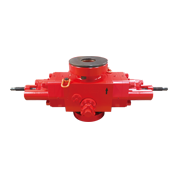
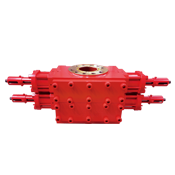
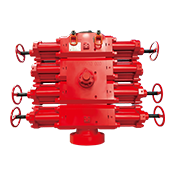
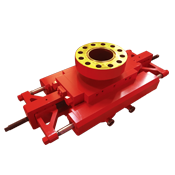

Understanding the Importance of Coiled Tubing BOP in Safety Operations
2025-04-07
Understanding the Importance of Coiled Tubing BOP in Safety Operations
Table of Contents
- What is Coiled Tubing BOP?
- Significance of Coiled Tubing BOP in Safety Operations
- Working Principle of Coiled Tubing BOP
- Types of Coiled Tubing BOP
- Installation and Maintenance of Coiled Tubing BOP
- Regulatory Standards for Coiled Tubing BOP
- Challenges in Using Coiled Tubing BOP
- Future of Coiled Tubing BOP in Safety Operations
- Frequently Asked Questions
What is Coiled Tubing BOP?
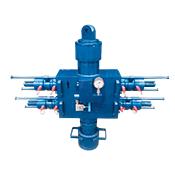
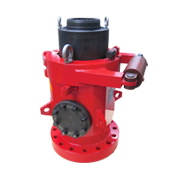
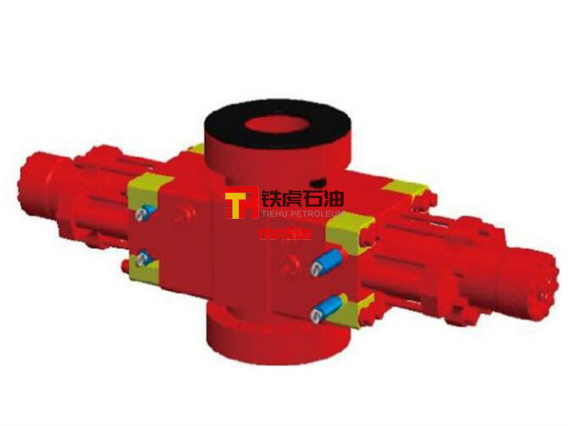
A Coiled Tubing Blowout Preventer (BOP) is a vital component in oil and gas operations, specifically designed to manage well control during coiled tubing interventions. It functions as a safety mechanism that prevents the uncontrolled release of fluids and gas from the wellbore during operations. By providing a secure barrier, the Coiled Tubing BOP ensures that any sudden pressure surges are effectively contained, safeguarding both personnel and equipment.
Significance of Coiled Tubing BOP in Safety Operations
The significance of Coiled Tubing BOP lies in its ability to mitigate risks associated with blowouts, which can lead to catastrophic incidents. As the oil and gas industry faces increasing regulatory demands, the implementation of BOP systems has become paramount. Here are a few reasons why Coiled Tubing BOP is crucial for safety:
- Enhanced Safety: The primary function of Coiled Tubing BOP is to enhance workforce safety by minimizing the risk of blowouts.
- Operational Efficiency: Allows for uninterrupted operations by providing a quick response mechanism in emergencies.
- Regulatory Compliance: Adhering to industry standards and regulations is critical for operational legitimacy, and Coiled Tubing BOP aids in maintaining compliance.
Working Principle of Coiled Tubing BOP
The working principle of a Coiled Tubing BOP is based on hydraulic mechanisms that enable the device to seal the wellbore effectively. When high pressure is detected, the BOP activates and closes off the well. This process typically involves the following stages:
1. Pressure Detection
Advanced pressure sensors monitor well conditions continuously. As soon as an anomaly is detected, the system triggers an immediate response.
2. Activation of the BOP
The hydraulic system activates, closing the BOP's sealing elements. This closure can be executed remotely to ensure maximum safety for the crew.
3. Well Control
Once sealed, the well can be monitored and controlled effectively, allowing for safe intervention without the risk of blowout.
Types of Coiled Tubing BOP
There are several types of Coiled Tubing BOPs, each designed to cater to specific operational needs:
1. Annular BOP
This type of BOP uses a rubber sealing element that can seal around any shape of tubing or drill pipe, providing versatile well control.
2. Ram BOP
Ram BOPs have solid blocks that can be closed around the tubing or casing, offering a more robust sealing method for high-pressure situations.
3. Combination BOP
A combination BOP integrates both annular and ram capabilities, providing flexibility and enhanced safety for varied operational scenarios.
Installation and Maintenance of Coiled Tubing BOP
Proper installation and maintenance of Coiled Tubing BOPs are critical to ensure their performance during operations:
Installation
- **Site Assessment:** Conduct thorough assessments to choose appropriate locations for BOP installation.
- **Hydraulic Connections:** Ensure all hydraulic connections are secure and functioning correctly to facilitate effective activation.
- **Testing:** Perform comprehensive testing prior to operations to confirm BOP functionality under different pressure conditions.
Maintenance
- **Routine Inspections:** Regular inspections should be scheduled to identify wear and tear on seals and hydraulic systems.
- **Functional Tests:** Conduct functional tests periodically to ensure the BOP responds effectively under pressure.
- **Documentation:** Keep a detailed maintenance log for regulatory compliance and operational transparency.
Regulatory Standards for Coiled Tubing BOP
Given the potential hazards associated with oil and gas operations, various regulatory bodies have established standards governing the use of Coiled Tubing BOPs. These standards aim to enhance safety and operational integrity:
1. API Standards
The American Petroleum Institute (API) has developed guidelines that outline best practices for the design, testing, and maintenance of BOP systems.
2. OSHA Regulations
The Occupational Safety and Health Administration (OSHA) enforces safety regulations that impact BOP operations, ensuring worker safety during high-risk interventions.
3. Local Regulations
Various regions may have specific regulations that govern BOP usage, necessitating that companies remain informed about local compliance requirements.
Challenges in Using Coiled Tubing BOP
Despite their importance, several challenges can arise during the use of Coiled Tubing BOPs:
1. Equipment Reliability
Ensuring the reliability of BOP mechanisms can be challenging, as mechanical failures can lead to severe safety incidents.
2. Training and Expertise
Operational teams must be adequately trained to handle BOP systems effectively, which can be a barrier in regions with a shortage of skilled personnel.
3. Cost Considerations
The initial investment for high-quality BOP systems and their maintenance can impose significant costs, especially for smaller operators.
Future of Coiled Tubing BOP in Safety Operations
The future of Coiled Tubing BOP technology is likely to focus on innovative developments aimed at enhancing safety, efficiency, and compliance:
1. Technological Advancements
The integration of smart technologies, such as IoT sensors, can provide real-time monitoring of BOP systems, enabling predictive maintenance and rapid response to anomalies.
2. Enhanced Training Programs
As operations evolve, ongoing training and certification for personnel will become increasingly important, ensuring they are equipped to handle advanced BOP technologies.
3. Sustainable Practices
The push for sustainable oil and gas operations will drive the development of eco-friendly BOP systems, minimizing environmental impact while maintaining safety.
Frequently Asked Questions
1. What is the primary purpose of a Coiled Tubing BOP?
The primary purpose of a Coiled Tubing BOP is to manage well control and prevent blowouts during coiled tubing operations.
2. How often should Coiled Tubing BOPs be tested?
Coiled Tubing BOPs should undergo routine inspections and functional tests as per regulatory guidelines, typically every six months or before significant operations.
3. Can a Coiled Tubing BOP be used for all types of wells?
While Coiled Tubing BOPs are versatile, their effectiveness can vary based on the specific well conditions and operational requirements.
4. What regulations govern the use of Coiled Tubing BOPs?
Regulations from bodies like the API and OSHA dictate standards for design, testing, and operation of Coiled Tubing BOPs to ensure safety.
5. What are the common challenges faced with Coiled Tubing BOPs?
Challenges often include equipment reliability, the need for specialized training, and the associated costs of maintenance and operation.
Conclusion
Understanding the crucial role of Coiled Tubing BOPs in safety operations is essential for any player in the oil and gas industry. These devices not only mitigate the risk of blowouts but also enhance operational efficiency and compliance with regulatory standards. By investing in high-quality BOP systems, ensuring proper installation and maintenance, and staying informed about emerging technologies, operators can safeguard their workforce and assets effectively. As the industry evolves, embracing innovative solutions and comprehensive training will be key to maximizing the safety and efficiency of coiled tubing operations.
Related News
Contact Us
Mailbox:
tiehu@tiehupetro.com
Telephone:
86-317-2616808
Address:
Yanling Industrial Zone, Renqiu City, Cangzhou City, Hebei Province, China

Hebei New Tiehu Petroleum Machinery Co., Ltd.
Sales Line: +86-317-7651717
Telephone:+86-317-2616808 -8009
Mailbox:tiehu@tiehupetro.com
Address: Yanling Industrial Zone, Renqiu City, Cangzhou City, Hebei Province, China


Focus on us

Follow us