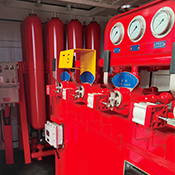


BOP Control Units: A Comprehensive Overview of Safety Solutions in Operational Protection
2025-05-17
BOP Control Units: A Comprehensive Overview of Safety Solutions
Table of Contents
- 1. Introduction to BOP Control Units
- 2. The Importance of BOP Control Units in Safety Management
- 3. Types of BOP Control Units
- 4. Applications of BOP Control Units
- 5. Key Features of BOP Control Units
- 6. How to Choose the Right BOP Control Unit
- 7. Maintenance and Compliance for BOP Control Units
- 8. Frequently Asked Questions about BOP Control Units
- 9. Conclusion
1. Introduction to BOP Control Units
BOP (Blowout Preventer) control units are crucial safety devices utilized primarily in the oil and gas industry, as well as in other sectors that require stringent safety protocols. Designed to prevent uncontrolled releases of oil, gas, and other fluids during drilling operations, these units serve as the first line of defense against blowouts—potentially catastrophic events that can result in significant damage to equipment, the environment, and human life.
This article provides a comprehensive overview of BOP control units, examining their importance, various types, applications, key features, and considerations for selecting and maintaining these vital safety solutions.
2. The Importance of BOP Control Units in Safety Management
The significance of BOP control units cannot be overstated. They play a pivotal role in ensuring operational safety by:
1. **Preventing Blowouts**: The primary function of BOP control units is to prevent blowouts by sealing the wellbore in the event of pressure anomalies.
2. **Protecting Personnel and Equipment**: By maintaining control over well pressures, BOP units safeguard workers and protect expensive drilling equipment from damage.
3. **Mitigating Environmental Impact**: Effective BOP systems help prevent spills and uncontrolled discharges, thereby protecting the environment and complying with legal regulations.
4. **Enhancing Operational Efficiency**: With reliable BOP control units in place, operations can proceed with greater confidence, minimizing downtime and enhancing productivity.
5. **Ensuring Regulatory Compliance**: Many jurisdictions require the use of BOP control systems, and adherence to these regulations is essential for legal operation.
3. Types of BOP Control Units
BOP control units are specialized systems that can be categorized based on their operational mechanics. Understanding the different types can aid in selecting the most appropriate solution for specific applications.
3.1 Hydraulic BOP Control Units
Hydraulic BOP control units utilize hydraulic pressure to operate their valves and seals. These systems offer rapid response times and are highly effective in high-pressure situations. They are commonly used in offshore drilling operations due to their reliability and efficiency.
3.2 Electric BOP Control Units
Electric BOP control units operate using electrical actuators to control the wellhead valves. These systems are often preferred for their ease of integration with advanced control technologies and automation systems. Electric BOP units are suitable for environments where hydraulic lines may pose risks.
3.3 Manual BOP Control Units
Manual BOP control units require human intervention for operation. While they may not provide the speed and efficiency of automated systems, they can be advantageous in situations where electrical or hydraulic systems could fail. Manual units are often employed as a backup safety measure.
4. Applications of BOP Control Units
BOP control units are indispensable in various applications, particularly in:
1. **Oil and Gas Exploration**: They are essential during drilling operations to maintain control over the wellbore.
2. **Geothermal Energy Production**: BOP systems are increasingly used in geothermal drilling to manage high-pressure steam and fluids.
3. **Mining Operations**: In certain mining techniques, BOP control units help manage pressure in fluid injection wells.
4. **Construction Projects**: They are utilized in large-scale construction projects where deep drilling occurs.
5. **Environmental Management**: BOP units serve as critical safety mechanisms in environmental remediation projects involving drilling.
5. Key Features of BOP Control Units
When evaluating BOP control units, several key features should be considered to ensure optimal performance:
1. **Pressure Rating**: BOP units come with a specific pressure rating, crucial for ensuring they can handle the anticipated well pressure.
2. **Response Time**: The speed at which a BOP unit can activate is critical in preventing blowouts. Faster activation times are preferred.
3. **Reliability**: High-quality materials and engineering contribute to the reliability of BOP systems, reducing the likelihood of failure.
4. **Ease of Maintenance**: Units that allow for easy maintenance and repair can save time and reduce operational costs.
5. **Compatibility**: Ensure the BOP control unit is compatible with existing drilling equipment and practices.
6. How to Choose the Right BOP Control Unit
Selecting the appropriate BOP control unit involves several critical considerations:
1. **Assess Operational Needs**: Evaluate the specific demands of your operation, including well depth, pressure, and fluid characteristics.
2. **Consider Type of Control**: Decide whether a hydraulic, electric, or manual system best suits your operational environment and safety protocols.
3. **Consult Regulatory Standards**: Ensure that the selected BOP unit complies with local and international regulations regarding safety and operational standards.
4. **Evaluate Manufacturer Reputation**: Choose units from reputable manufacturers known for quality and reliability in their products.
5. **Analyze Cost vs. Benefit**: While it may be tempting to opt for the least expensive option, consider the long-term benefits of investing in higher-quality systems.
7. Maintenance and Compliance for BOP Control Units
Proper maintenance of BOP control units is essential for ensuring their effectiveness and compliance with safety regulations:
1. **Regular Inspections**: Scheduled inspections should be carried out to assess the integrity and functionality of the BOP system.
2. **Testing Protocols**: Conduct regular testing to verify that the BOP units operate correctly under various pressure conditions.
3. **Document Maintenance Activities**: Keep detailed records of all maintenance and inspections for regulatory compliance and operational audits.
4. **Training Personnel**: Ensure that all personnel involved in operation and maintenance are adequately trained in BOP systems and emergency response procedures.
5. **Replacement of Worn Parts**: Timely replacement of any worn-out components helps maintain the reliability and safety of the BOP control unit.
8. Frequently Asked Questions about BOP Control Units
What is the primary function of a BOP control unit?
The primary function of a BOP control unit is to prevent blowouts by sealing the wellbore during drilling operations.
How often should BOP control units be tested?
BOP control units should be tested regularly, typically at least once a month, or according to specific regulatory guidelines.
Are hydraulic or electric BOP control units better?
The choice between hydraulic and electric BOP control units depends on the specific operational environment and safety requirements. Hydraulic units offer faster response times, while electric units provide easy integration with automated systems.
What maintenance is required for BOP control units?
Regular inspections, testing, documentation of maintenance activities, and timely replacement of worn parts are crucial for ensuring BOP control units remain operational and compliant.
Can BOP control units be used in geothermal energy projects?
Yes, BOP control units are increasingly used in geothermal energy projects to manage high-pressure steam and fluids effectively.
9. Conclusion
BOP control units are fundamental components of safety solutions in high-risk operational environments, especially within the oil and gas industry. Their ability to prevent blowouts, protect personnel and equipment, and mitigate environmental risks underscores their importance in modern safety management protocols. By understanding the different types of BOP control units, their applications, features, and maintenance requirements, organizations can make informed decisions that enhance safety and operational efficiency. Investing in the right BOP control unit not only complies with regulations but also reinforces a commitment to safety in the workplace.
Related News
Contact Us
Mailbox:
tiehu@tiehupetro.com
Telephone:
86-317-2616808
Address:
Yanling Industrial Zone, Renqiu City, Cangzhou City, Hebei Province, China

Hebei New Tiehu Petroleum Machinery Co., Ltd.
Sales Line: +86-317-7651717
Telephone:+86-317-2616808 -8009
Mailbox:tiehu@tiehupetro.com
Address: Yanling Industrial Zone, Renqiu City, Cangzhou City, Hebei Province, China


Focus on us

Follow us