

Understanding the Role of a Three-Wing Blowout Preventer in Well Safety
2025-05-21
Understanding the Role of a Three-Wing Blowout Preventer in Well Safety
Table of Contents
1. Introduction to Blowout Preventers
2. What is a Three-Wing Blowout Preventer?
3. Key Components of a Three-Wing Blowout Preventer
3.1 Hydraulic System
3.2 Sealing Elements
3.3 Control Systems
4. The Importance of Blowout Preventers in Well Safety
5. How a Three-Wing Blowout Preventer Functions
5.1 Activation Procedures
5.2 Monitoring and Maintenance
6. Advantages of Using a Three-Wing Blowout Preventer
7. Real-World Applications and Case Studies
8. Future Trends in Blowout Prevention Technology
9. Frequently Asked Questions (FAQs)
10. Conclusion
1. Introduction to Blowout Preventers
Blowout preventers (BOPs) are critical components in the oil and gas industry, designed to prevent uncontrolled releases of crude oil or natural gas from a well during drilling operations. These incidents, known as blowouts, can lead to catastrophic consequences, including loss of life, environmental disasters, and significant financial losses. The implementation of robust blowout prevention systems, particularly the three-wing blowout preventer, is essential for ensuring operational safety and environmental protection.
2. What is a Three-Wing Blowout Preventer?
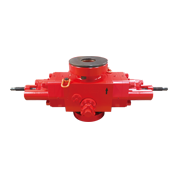
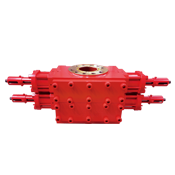
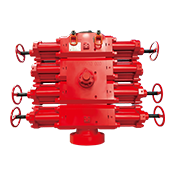
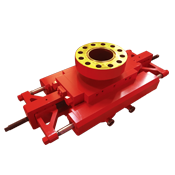
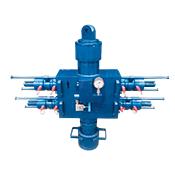
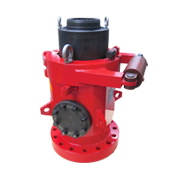
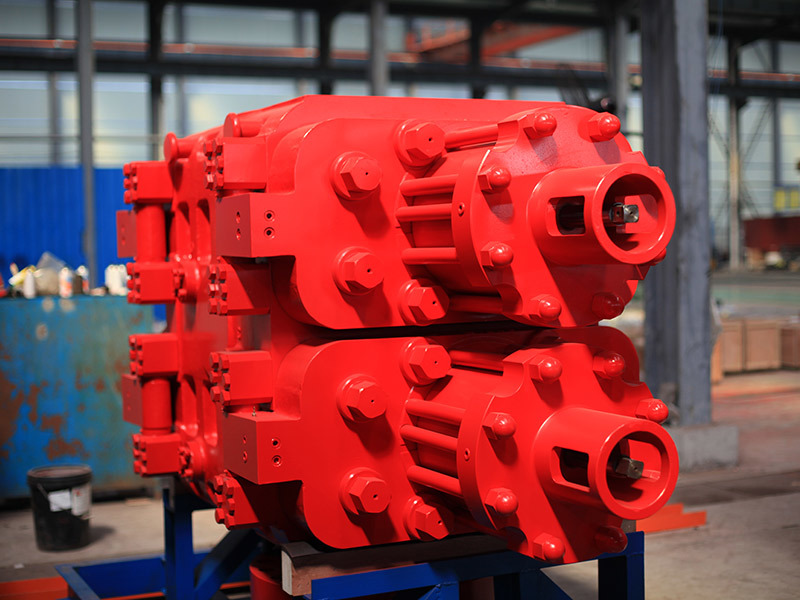
A three-wing blowout preventer is a specialized piece of equipment used in drilling operations to seal the wellbore and control high-pressure fluids. The term "three-wing" refers to the design of the device, which features three flexible sealing elements that can close around the drill pipe, effectively preventing any fluid from escaping. This design provides enhanced sealing capabilities, making it a preferred choice for many drilling operators.
3. Key Components of a Three-Wing Blowout Preventer
Understanding the key components of a three-wing blowout preventer is crucial for appreciating its functionality and significance.
3.1 Hydraulic System
The hydraulic system is the backbone of a three-wing blowout preventer. It powers the opening and closing of the sealing mechanisms, allowing for responsive action during unexpected pressure changes. The hydraulic system must be reliable and capable of operating under extreme conditions.
3.2 Sealing Elements
The sealing elements, typically made from high-performance elastomers, provide the necessary barrier to prevent fluid escape. The three-wing configuration allows for a secure grip around the drill pipe, minimizing the risk of blowouts.
3.3 Control Systems
Modern three-wing blowout preventers are equipped with advanced control systems that enable remote operation and monitoring. These systems provide real-time data on well pressure and other critical parameters, allowing drillers to make informed decisions promptly.
4. The Importance of Blowout Preventers in Well Safety
The significance of blowout preventers, particularly three-wing models, cannot be overstated. They play a vital role in maintaining well integrity, protecting personnel, equipment, and the surrounding environment. By providing a reliable means of controlling well pressure, BOPs significantly reduce the likelihood of blowouts and their associated risks.
5. How a Three-Wing Blowout Preventer Functions
Understanding the operational procedures of a three-wing blowout preventer is essential for effective well management.
5.1 Activation Procedures
Activation of a three-wing blowout preventer typically occurs in response to pressure thresholds being exceeded. The hydraulic system engages the sealing elements, which quickly close around the drill pipe, effectively sealing the well. This rapid response is critical during emergency situations.
5.2 Monitoring and Maintenance
Routine monitoring and maintenance of the blowout preventer are essential for ensuring its reliability. This includes regular inspections of the hydraulic system, sealing elements, and control systems to identify any potential issues before they escalate.
6. Advantages of Using a Three-Wing Blowout Preventer
The three-wing blowout preventer offers several advantages over traditional designs:
- **Enhanced sealing capabilities:** The three-wing configuration provides superior sealing around the drill pipe, minimizing the risk of blowouts.
- **Improved response time:** The hydraulic mechanisms allow for rapid activation, crucial during emergency situations.
- **Versatility:** Suitable for various drilling environments, including deep-water and high-pressure applications.
7. Real-World Applications and Case Studies
Numerous case studies illustrate the effectiveness of three-wing blowout preventers in preventing blowouts. For instance, in a recent offshore drilling operation, the swift activation of a three-wing BOP averted a potential blowout during unexpected pressure fluctuations. Such instances highlight the critical role of BOPs in safeguarding both personnel and the environment.
8. Future Trends in Blowout Prevention Technology
As drilling technologies evolve, the design and functionality of blowout preventers are also advancing. Innovations such as automated monitoring systems, enhanced materials for sealing elements, and integration with predictive analytics are paving the way for even more reliable blowout prevention methods. These advancements will further enhance the safety and efficiency of drilling operations.
9. Frequently Asked Questions (FAQs)
What is the primary function of a blowout preventer?
The primary function of a blowout preventer is to seal the wellbore and prevent the uncontrolled release of fluids during drilling operations.
How does a three-wing blowout preventer differ from other types?
A three-wing blowout preventer features a unique design with three flexible sealing elements, providing enhanced sealing capabilities compared to traditional BOPs.
Why is regular maintenance important for blowout preventers?
Regular maintenance ensures the reliability and effectiveness of blowout preventers, allowing for prompt response during emergencies.
What are the risks associated with blowouts?
Blowouts can lead to severe consequences, including loss of life, environmental damage, and substantial financial losses for drilling operations.
What advancements are being made in blowout prevention technology?
Future advancements include automated monitoring systems, improved sealing materials, and predictive analytics to enhance blowout prevention capabilities.
10. Conclusion
The role of a three-wing blowout preventer in well safety is undeniably significant. As a crucial component of drilling operations, it plays a vital role in preventing blowouts and ensuring the safety of personnel, equipment, and the environment. Understanding its design, functionality, and importance is essential for anyone involved in the oil and gas industry. As technology continues to advance, the future of blowout prevention looks promising, leading to safer and more efficient drilling practices. By prioritizing the use of effective blowout preventers, we can contribute to a safer and more responsible energy industry.
Related News
Contact Us
Mailbox:
tiehu@tiehupetro.com
Telephone:
86-317-2616808
Address:
Yanling Industrial Zone, Renqiu City, Cangzhou City, Hebei Province, China

Hebei New Tiehu Petroleum Machinery Co., Ltd.
Sales Line: +86-317-7651717
Telephone:+86-317-2616808 -8009
Mailbox:tiehu@tiehupetro.com
Address: Yanling Industrial Zone, Renqiu City, Cangzhou City, Hebei Province, China


Focus on us

Follow us