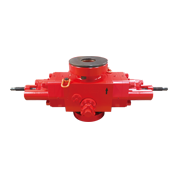
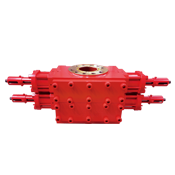
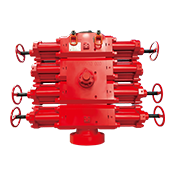
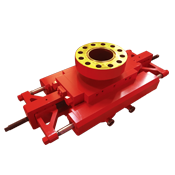


Why Having a Rapid Blowout Preventer In Stock is Crucial for Safety
2025-05-23
Why Having a Rapid Blowout Preventer In Stock is Crucial for Safety
Introduction to Blowout Preventers and Their Importance
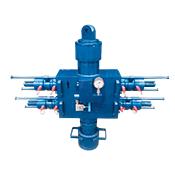
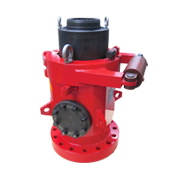
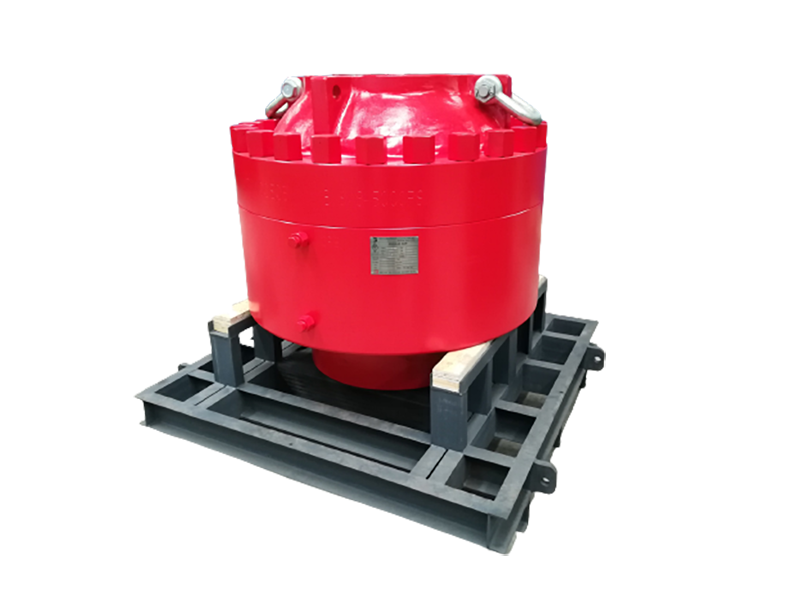
In the oil and gas industry, the potential for a blowout poses significant risks to both personnel and the environment. A blowout preventer (BOP) serves as an essential safety device designed to prevent uncontrolled releases of crude oil or natural gas from a well. In this context, a **rapid blowout preventer** becomes critical to safety protocols. This article delves into the significance of having a rapid blowout preventer readily available and how it can substantially reduce risks associated with drilling operations.
Understanding Blowout Events: What Are They?
Blowouts can occur due to various factors, including geological pressure changes, equipment failures, or human error. These events result in the sudden eruption of hydrocarbons, which can lead to catastrophic outcomes, including fires, explosions, and environmental contamination. Understanding the mechanics of blowouts allows us to appreciate the necessity of rapid response tools like blowout preventers.
The Mechanics of a Blowout
A blowout occurs when the pressure in the subsurface formation exceeds the pressure exerted by the column of drilling fluid in the well. This imbalance leads to a rapid influx of fluids and gases, which can escalate into a blowout. A blowout preventer is designed to seal the well, allowing operators to maintain control and prevent the pressures from reaching hazardous levels.
Types of Blowout Preventers
Blowout preventers come in various types, each designed for specific scenarios. The most common include:
- **Annular BOPs**: These provide a seal around the drill pipe.
- **Ram BOPs**: These are used to clamp down on the wellbore and prevent fluid flow.
- **Subsea BOPs**: Essential for underwater drilling operations.
Understanding these types ensures that operators select the appropriate BOP for their specific drilling conditions.
The Role of Rapid Blowout Preventers
Rapid blowout preventers are specialized devices designed for quick deployment. Their ability to act swiftly can be the difference between a controlled operation and a full-blown disaster.
Speed of Response
In critical moments, the speed of response plays an essential role in mitigating risks associated with blowouts. Rapid blowout preventers are built to activate quickly, sealing the well and preventing the escalation of hazardous situations. This timely response is crucial in protecting lives and minimizing environmental damage.
Enhanced Safety for Personnel
The presence of a rapid blowout preventer significantly enhances safety for personnel on-site. In the event of a blowout, immediate activation of the BOP can prevent exposure to dangerous conditions, safeguarding workers' lives and reducing injury risks.
Legal and Regulatory Compliance
Compliance with industry regulations and standards is non-negotiable in the oil and gas sector. Regulatory bodies impose strict guidelines regarding the use of blowout preventers to ensure safety in drilling operations.
Understanding Regulations
Various regulatory agencies, including the Occupational Safety and Health Administration (OSHA) and the Bureau of Safety and Environmental Enforcement (BSEE), have established guidelines that mandate the use of blowout preventers in specific drilling scenarios. Understanding these regulations is crucial for operators to avoid legal repercussions and maintain operational licenses.
Insurance and Liability Considerations
Failure to comply with regulations can lead to substantial financial penalties and increased liability. Insurance providers often require companies to demonstrate compliance with safety regulations, including the availability of blowout prevention equipment, to reduce risk profiles and insurance costs.
Best Practices for Stocking Rapid Blowout Preventers
Maintaining an appropriate inventory of rapid blowout preventers is paramount for ensuring operational safety. Here are some best practices for effective management:
Regular Inventory Checks
Frequent inventory audits help organizations ensure they have the necessary equipment available at all times. This includes checking the condition of existing blowout preventers and replacing any outdated or damaged units.
Training and Drills
Conducting regular training sessions and emergency drills for personnel can significantly improve response times when dealing with a blowout scenario. Familiarity with rapid blowout preventers and their operation is crucial for efficient emergency management.
Partnerships with Reliable Suppliers
Working with established suppliers of blowout preventers ensures access to high-quality equipment. Establishing strong relationships with reliable vendors aids in securing prompt delivery and support when needed.
Cost Implications of Having Rapid Blowout Preventers in Stock
While the initial investment in rapid blowout preventers may seem significant, the long-term savings and risk mitigation benefits outweigh these costs.
Preventing Financial Losses
The financial losses resulting from a blowout can be catastrophic. By investing in proper blowout prevention equipment, companies can prevent costly downtime, damage to reputation, and potential legal fees.
Operational Efficiency
Having rapid blowout preventers readily available leads to smoother operations. Reduced downtime during drilling operations means increased productivity and profitability for companies.
Technological Advancements in Blowout Prevention
The field of blowout prevention continues to evolve with advancements in technology. These innovations enhance the effectiveness, reliability, and speed of blowout preventers.
Smart Blowout Preventers
Smart technology integrated into blowout preventers allows for real-time monitoring and data collection. These systems can alert operators to potential issues before they escalate, enabling proactive management of well safety.
Remote Operation Capabilities
Modern blowout preventers can often be operated remotely, allowing for quick responses in hazardous scenarios without putting personnel at risk.
Conclusion
In conclusion, having a **rapid blowout preventer** in stock is crucial for safeguarding operations in the oil and gas industry. Its ability to respond quickly to potential blowout scenarios protects personnel and minimizes environmental impact, while also ensuring compliance with legal and regulatory standards. By implementing best practices for inventory management, training, and leveraging technological advancements, companies can enhance their safety protocols and operational efficiency. Investing in rapid blowout preventers is not just a regulatory obligation; it's a commitment to safety and responsibility in an inherently risky industry.
Frequently Asked Questions (FAQs)
1. What is the primary function of a blowout preventer?
The primary function of a blowout preventer is to seal the wellbore and prevent uncontrolled releases of oil and gas during drilling operations.
2. How does a rapid blowout preventer differ from a standard blowout preventer?
Rapid blowout preventers are designed for immediate activation and response, whereas standard blowout preventers may not have the same speed of deployment.
3. Are there regulations governing the use of blowout preventers?
Yes, various regulatory bodies impose strict guidelines regarding the use and maintenance of blowout preventers to ensure safety in drilling operations.
4. What are the benefits of having a blowout preventer readily available?
Having a blowout preventer readily available enhances safety, prevents potential blowouts, ensures compliance with regulations, and reduces financial liabilities.
5. Can technological advancements improve blowout prevention methods?
Yes, advancements such as smart blowout preventers and remote operation systems enhance monitoring, response time, and overall effectiveness in preventing blowouts.
PREVIOUS:
Related News
Contact Us
Mailbox:
tiehu@tiehupetro.com
Telephone:
86-317-2616808
Address:
Yanling Industrial Zone, Renqiu City, Cangzhou City, Hebei Province, China

Hebei New Tiehu Petroleum Machinery Co., Ltd.
Sales Line: +86-317-7651717
Telephone:+86-317-2616808 -8009
Mailbox:tiehu@tiehupetro.com
Address: Yanling Industrial Zone, Renqiu City, Cangzhou City, Hebei Province, China


Focus on us

Follow us