

Understanding the Vital Role of Rapid Blowout Preventers in Safety Operations
2025-05-25
Understanding the Vital Role of Rapid Blowout Preventers in Safety Operations
Table of Contents
1. Introduction to Rapid Blowout Preventers
2. The Importance of Blowout Prevention in Safety Operations
2.1 What is a Blowout?
2.2 Consequences of Blowouts in Various Industries
3. How Rapid Blowout Preventers Work
3.1 Key Components of RBOPs
3.2 Operational Mechanisms
4. Benefits of Using Rapid Blowout Preventers
4.1 Enhanced Safety Protocols
4.2 Increased Operational Efficiency
5. Best Practices for Implementing RBOPs
5.1 Training and Certification
5.2 Regular Maintenance and Inspections
6. Choosing the Right Rapid Blowout Preventer
6.1 Factors to Consider
6.2 Leading Manufacturers in the Market
7. Case Studies: RBOPs in Action
8. Frequently Asked Questions (FAQs)
9. Conclusion
1. Introduction to Rapid Blowout Preventers
In the realm of industrial operations, particularly in oil and gas drilling, safety is paramount. Rapid Blowout Preventers (RBOPs) play a crucial role in preventing catastrophic failures known as blowouts. A blowout occurs when there is an uncontrolled release of crude oil and/or natural gas from a well, often resulting in severe environmental damage, loss of life, and significant financial loss. This article explores the importance of RBOPs in safety operations, providing insights into their functionality, benefits, and best practices for implementation.
2. The Importance of Blowout Prevention in Safety Operations
2.1 What is a Blowout?
A blowout is characterized as a sudden release of pressure from a well, leading to the flow of hydrocarbons at high speeds. This event can lead to explosions, fires, and spills, inflicting significant harm on workers, the environment, and surrounding communities. Understanding the dynamics of blowouts is essential for implementing effective safety measures.
2.2 Consequences of Blowouts in Various Industries
The consequences of blowouts extend beyond immediate physical damage. They can result in:
- **Injuries and fatalities** among workers and nearby populations.
- **Environmental disasters**, including oil spills that can devastate ecosystems.
- **Financial losses** due to damage control, legal fees, and operational downtimes.
- **Reputational damage** that can impact future business operations and partnerships.
3. How Rapid Blowout Preventers Work
3.1 Key Components of RBOPs
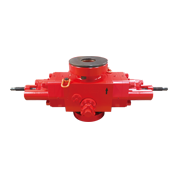
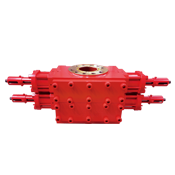
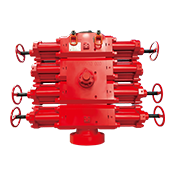
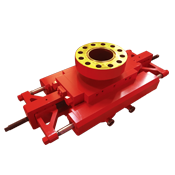
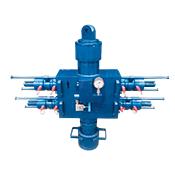
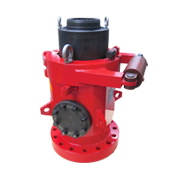
Rapid Blowout Preventers consist of several critical components:
- **Control Systems**: Automated mechanisms designed to activate the RBOP in emergency scenarios.
- **Sealing Elements**: These create a barrier to prevent fluid flow, ensuring safety during drilling operations.
- **Hydraulic Systems**: Provide the necessary force to engage the sealing elements rapidly.
3.2 Operational Mechanisms
RBOPs operate through hydraulic pressure systems that can swiftly shut off the well’s flow. When abnormal pressure is detected, the control system activates the sealing elements, forming a secure barrier. This rapid response is essential in averting disasters and controlling any potential blowout risks.
4. Benefits of Using Rapid Blowout Preventers
4.1 Enhanced Safety Protocols
Utilizing RBOPs significantly improves safety protocols within operations. Their ability to respond quickly to increasing pressures creates a safer working environment, minimizing the risk of blowouts and ensuring compliance with safety regulations.
4.2 Increased Operational Efficiency
By preventing blowouts, RBOPs contribute to smoother operational workflows. Reduced downtime translates to increased productivity, allowing companies to focus on their core operations without the looming threat of safety incidents.
5. Best Practices for Implementing RBOPs
5.1 Training and Certification
Proper training and certification for personnel operating RBOPs are crucial. Regular training programs ensure that all workers are familiar with emergency procedures and can operate the systems effectively, contributing to a safer workplace.
5.2 Regular Maintenance and Inspections
Routine maintenance and inspections of RBOPs are vital to ensure their functionality. Regular checks help identify any wear and tear, allowing for timely repairs or replacements.
6. Choosing the Right Rapid Blowout Preventer
6.1 Factors to Consider
When selecting an RBOP, consider the following factors:
- **Well Depth and Type**: Different wells require different RBOP specifications.
- **Manufacturer Reputation**: Choosing products from reputable manufacturers ensures quality and reliability.
- **Compliance with Regulations**: Ensure that the selected RBOP meets industry safety standards.
6.2 Leading Manufacturers in the Market
Several manufacturers have established themselves as leaders in the RBOP market, known for their cutting-edge technology and reliability. Researching these companies and their product offerings can guide you in making an informed decision.
7. Case Studies: RBOPs in Action
Real-world case studies provide insights into the effectiveness of RBOPs in preventing blowouts. These examples illustrate how timely interventions and robust systems have saved lives, protected the environment, and maintained operational integrity in different scenarios.
8. Frequently Asked Questions (FAQs)
FAQ 1: What are the main functions of Rapid Blowout Preventers?
RBOPs serve to prevent blowouts by sealing off the well in case of excessive pressure, ensuring safety and environmental protection.
FAQ 2: How often should RBOPs be inspected?
Regular inspections are recommended, typically every six months or according to specific operational guidelines.
FAQ 3: Are RBOPs suitable for all types of drilling operations?
While RBOPs are effective in many drilling scenarios, the specific type of RBOP should be matched to the operational conditions of the well.
FAQ 4: What training is necessary for personnel operating RBOPs?
Personnel should undergo comprehensive training covering the operation, maintenance, and emergency procedures related to RBOPs.
FAQ 5: How do RBOPs impact operational costs?
While there may be initial costs associated with implementing RBOPs, the long-term savings from preventing blowouts and enhancing operational efficiency often outweigh these investments.
9. Conclusion
Rapid Blowout Preventers are indispensable in modern safety operations, particularly in high-risk industries such as oil and gas. By understanding their functionality, benefits, and best practices for implementation, organizations can significantly enhance their safety protocols, reduce risks associated with blowouts, and ensure environmental protection. Investing in high-quality RBOPs and training personnel effectively is not only a regulatory requirement but also a commitment to safeguarding lives and the environment.
Related News
Contact Us
Mailbox:
tiehu@tiehupetro.com
Telephone:
86-317-2616808
Address:
Yanling Industrial Zone, Renqiu City, Cangzhou City, Hebei Province, China

Hebei New Tiehu Petroleum Machinery Co., Ltd.
Sales Line: +86-317-7651717
Telephone:+86-317-2616808 -8009
Mailbox:tiehu@tiehupetro.com
Address: Yanling Industrial Zone, Renqiu City, Cangzhou City, Hebei Province, China


Focus on us

Follow us