

Understanding the Role of BOP Control Devices in Modern Automation
2025-03-26
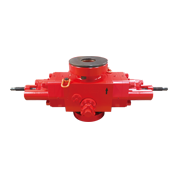
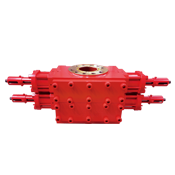
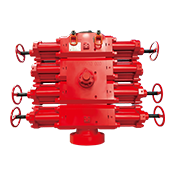
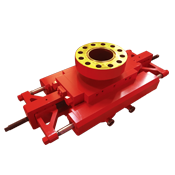
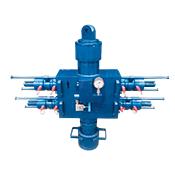
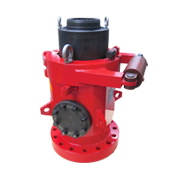
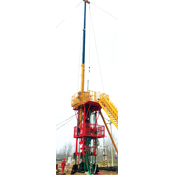
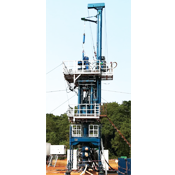
BOP control devices are specialized equipment designed to prevent the uncontrolled release of fluids and gases during drilling operations. They are crucial in the oil and gas industry, providing a safety mechanism that helps to manage high-pressure situations effectively. These devices ensure that in the event of an unexpected influx of pressure, the system can quickly respond to mitigate risks.
There are various types of BOP control devices, each tailored for specific applications:
-
Annular BOPs: These devices seal around the drill pipe and can accommodate varying sizes of pipe.
-
Ram BOPs: These are designed to cut and seal the drill pipe in the event of a blowout.
-
Stacked BOPs: A combination of annular and ram BOPs, providing enhanced sealing capabilities.
The Importance of BOP Control in Automation
As automation becomes increasingly essential in industrial operations, the role of BOP control devices cannot be overstated. They are integral to ensuring safety and compliance with industry regulations.
Enhancing Safety Protocols
Automated systems that incorporate BOP control devices significantly reduce the risk of blowouts, ensuring a safer working environment. By providing real-time monitoring and automatic responses to pressure anomalies, these devices help prevent catastrophic events.
Compliance with Regulatory Standards
Many industries are subject to stringent safety regulations. BOP control systems help companies meet these legal requirements, protecting both their workforce and the environment.
Key Components of BOP Control Systems
Understanding the essential components of BOP control systems is crucial for effective operation:
Control Panels
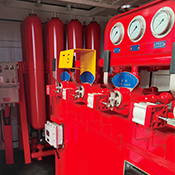
The control panel serves as the operational hub, allowing operators to monitor and control the BOP system remotely. It provides essential data and alerts during critical situations.
Sensors and Monitoring Devices
Sensors play a vital role in detecting pressure changes. They feed real-time data to the control panel, enabling quick decision-making.
Hydraulic Systems
Hydraulic systems are employed to operate the BOP devices, ensuring quick and efficient sealing responses in emergencies.
How BOP Control Devices Function
BOP control devices work through a combination of mechanical and hydraulic operations. When a pressure anomaly is detected, the system engages to seal the well. Here's how this process unfolds:
Detection of Pressure Changes
Advanced sensors continuously monitor the pressure levels within the system. Any deviation from the norm triggers alarms and initiates automated responses.
Activation of Sealing Mechanisms
Upon detecting a potential blowout, the hydraulic system activates the sealing mechanisms of the BOP, effectively isolating the well.
Applications of BOP Control Devices
BOP control devices find applications in various industries beyond oil and gas, showcasing their versatility:
Oil and Gas Exploration
The primary application of BOP control devices remains in oil and gas drilling operations, where they safeguard against blowouts during extraction.
Geothermal Energy Production
In geothermal energy operations, BOP control devices are essential for managing high-pressure steam and preventing uncontrolled releases.
Mining Operations
In mining, BOP control devices help manage the risks associated with high-pressure gases and fluids, ensuring safety in underground operations.
Benefits of Integrating BOP Technology
The integration of BOP technology into automated systems offers numerous advantages:
Increased Operational Efficiency
By employing BOP control devices, companies can streamline their operations, minimizing downtime and maximizing productivity.
Enhanced Safety Measures
The safety mechanisms provided by BOP systems protect personnel and equipment, reducing the likelihood of accidents and associated costs.
Cost Savings
Investing in BOP technology can lead to significant long-term savings by preventing costly blowouts and reducing insurance premiums.
Future Trends in BOP Control Systems
The field of automation is constantly evolving, and so is the technology surrounding BOP control devices:
Integration with IoT
The Internet of Things (IoT) is set to revolutionize BOP control systems. Enhanced connectivity will allow for better monitoring and predictive maintenance, leading to improved safety and efficiency.
Advancements in AI and Machine Learning
Artificial intelligence and machine learning technologies are being integrated into BOP systems, enabling predictive analytics that can foresee potential issues and automatically adjust operations accordingly.
Frequently Asked Questions
1. What is the primary function of BOP control devices?
The primary function of BOP control devices is to prevent uncontrolled releases of fluids and gases during drilling operations.
2. In which industries are BOP control devices used?
BOP control devices are primarily used in the oil and gas industry, but they also find applications in geothermal energy production and mining operations.
3. How do BOP control devices enhance safety?
They enhance safety by providing real-time monitoring and automatic sealing mechanisms that mitigate the risks associated with pressure anomalies.
4. What are the key components of a BOP control system?
The key components include control panels, sensors, monitoring devices, and hydraulic systems.
5. What are the future trends in BOP control technology?
Future trends include the integration of IoT, advancements in AI and machine learning, and enhanced predictive maintenance capabilities.
Conclusion
As automation continues to shape the future of various industries, the role of BOP control devices becomes increasingly significant. These systems not only enhance safety and compliance but also improve operational efficiency and cost-effectiveness. By understanding the function and benefits of BOP control devices, businesses can make informed decisions that drive progress in their automation efforts. Embracing these technologies is essential for staying competitive and ensuring the safety of operations in today's dynamic industrial environment.
Related News
Contact Us
Mailbox:
tiehu@tiehupetro.com
Telephone:
86-317-2616808
Address:
Yanling Industrial Zone, Renqiu City, Cangzhou City, Hebei Province, China

Hebei New Tiehu Petroleum Machinery Co., Ltd.
Sales Line: +86-317-7651717
Telephone:+86-317-2616808 -8009
Mailbox:tiehu@tiehupetro.com
Address: Yanling Industrial Zone, Renqiu City, Cangzhou City, Hebei Province, China


Focus on us

Follow us